


Seattle homeowners see HVAC installation costs climb every year because energy standards keep tightening, labor stays in short supply, and newer systems require more advanced setup. These changes hit your budget fast if you are not prepared for the real numbers behind a furnace, AC, heat pump, or full ducted system. Each setup works differently, lasts differently, and carries its own price point, so the investment feels very different from one home to the next.
Think of HVAC as a long-term decision, not a quick fix. You pay for comfort, efficiency, and reliability for the next fifteen to twenty years. That is why you want honest pricing and clear guidance before you commit.
Cloud 9 Heating & Air gives homeowners that clarity. Local families trust us for installation and replacement work because we know Seattle homes, Seattle codes, and Seattle climate demands.
Let’s explore what homeowners can expect in 2026 and how to save.
2. Average HVAC Installation Costs in Seattle (2026)
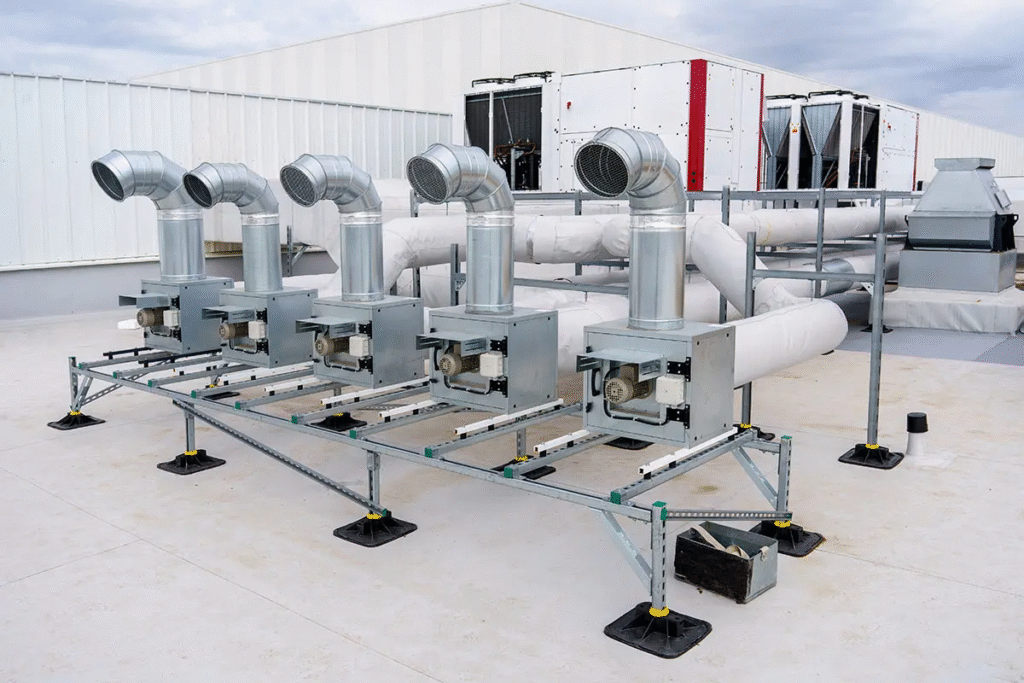
Seattle homeowners can expect clear cost brackets for HVAC systems in 2026, and the numbers matter when you plan a real budget. A full HVAC system that includes a furnace and AC usually falls between $14,000 and $25,000. A heat pump installation sits around $13,000 to $22,000, which fits the growing push toward all-electric setups. A ductless mini split system runs $5,500 to $12,000 per zone, and multi-zone homes land at the higher end. A furnace replacement only averages $6,500 to $11,000, while an AC installation only ranges from $7,000 to $12,500. Ductwork installation or replacement comes in higher because the labor takes longer and often involves tight attic or crawl space access, so most homeowners see $10,000 to $25,000.
Seattle sits above national pricing for a few clear reasons. Stricter energy codes push installers to use high-efficiency equipment that costs more upfront. Premium labor rates raise totals because HVAC technicians stay in short supply. Heat pumps grow more popular every year, and that demand drives prices up as installers take on more complex jobs.
Seattle’s weather also pushes costs up because the mix of cool seasons and hotter summers makes homeowners choose systems with stronger energy efficiency.
3. Factors That Influence HVAC Installation Pricing
3.1 Type of System Installed
Your system choice sets the baseline cost. A furnace lands in one range. An AC unit adds its own price. A heat pump costs more upfront since it handles both heating and cooling. A ductless mini split stays flexible for homes without ducts, but each added zone bumps the total. A hybrid system sits at the top because it combines two units and needs more setup.
3.2 Home Size and Layout
Home size shapes the load your system must handle. Manual J calculations confirm that load so the installer does not oversize or undersize your system. Multi floor homes cost more because airflow must stay balanced on each level. Poor insulation in older Seattle homes forces the system to work harder, so you often need a larger unit to keep things comfortable.
3.3 Energy Efficiency Ratings
SEER2, AFUE, and HSPF2 ratings influence the price right away. Higher ratings cost more because they use better components. The upside shows up on your bills. Efficient systems cut energy use, which saves money over time.
3.4 Labor Costs in Seattle
Labor drives a big part of the final number. Seattle sits in a premium labor market, and skilled HVAC techs stay busy year round. Union crews charge more than non union crews. Costs also rise during peak heating and cooling seasons when schedules tighten.
3.5 Ductwork Condition
Ductwork can shift the entire budget. Old ducts leak air, waste energy, and often need full replacement. Sealing and insulating ducts helps, but it still adds cost. Homes without ducts need a full installation, which takes longer and requires careful planning.
3.6 Add Ons and Required Components
Add ons push the price higher. Smart thermostats improve control but add upfront cost. Air purifiers support indoor air quality, which many Seattle homeowners want. Zoning gives you room by room control and increases the install time. Electrical upgrades may be required if your current panel cannot support the new equipment.
4. Furnace Installation Costs in Seattle
Furnace installation costs in Seattle follow clear ranges in 2026, and the numbers shift based on fuel type and efficiency. Most homeowners see $6,500 to $11,000 for a new furnace, including installation. Gas furnaces land higher because they need venting and gas line work. Electric units cost less upfront but may raise long term utility costs. High efficiency models cost more than standard ones because they use stronger components and advanced technology to reduce energy waste.
Seattle homeowners often choose high efficiency furnaces. The climate calls for steady heat through long, damp seasons, and efficient units handle that demand without spiking bills. Many older Seattle homes also lose heat through drafts and weaker insulation, so a high efficiency furnace helps maintain comfort without overworking the system.
If you want full details on furnace options, you can check out our Furnace Services page.
5. AC Installation Costs in Seattle
Seattle still needs reliable AC, especially with hotter summers becoming more common. Many homeowners now treat AC as essential comfort, instead of a luxury. Standard AC units in 2026 usually fall between $7,000 and $12,500, depending on size, brand, and installation conditions. SEER2 efficiency upgrades raise the price because they use better compressors and smarter controls, but they also lower energy use during peak heat.
Replacement often makes more sense than repair when the unit is old, runs loud, or needs frequent service calls. Higher summer temperatures push older systems harder, and the repair costs add up fast. A new unit cools better, uses less energy, and reduces the stress of constant breakdowns.
If you want to explore AC options for your home, you can check out our AC Services page.
6. Heat Pump Installation Costs (Most Popular in Seattle)
Heat pumps lead Seattle’s HVAC market now because they run efficiently in our mild climate and support the city’s push toward cleaner energy. Most homeowners see $13,000 to $22,000 for a full heat pump installation in 2026, depending on the setup. Ductless mini split heat pumps fall between $5,500 and $12,000 per zone, while a ducted heat pump system lands at the higher end because it powers the entire home through existing ductwork.
The long term savings make the investment easier. Heat pumps use less energy than separate furnace and AC units, so monthly bills drop once the new system is in place. Seattle homeowners notice the difference through both winter and summer seasons.
Federal tax credits help lower the upfront cost, and many homes also qualify for Puget Sound Energy rebates. These incentives make heat pumps even more popular across the city.
If you want to explore options for your home, visit our Heat Pumps page.
7. Cost Difference: Repairing vs Replacing Your HVAC
Seattle homeowners often hit a point where repairs no longer make sense. When a repair quote reaches 40 to 50 percent of the cost of a new system, replacement usually gives you more value. Repairing an older unit may buy time, but it rarely solves the bigger efficiency problems that drive your bills up.
Each system has its own lifespan. A furnace in Seattle lasts 15 to 20 years if it has been maintained well. Most AC units hold up for 12 to 17 years, depending on usage and coil condition. Heat pumps last about 12 to 15 years, and they work harder than most people realize because they handle both heating and cooling.
Energy savings often justify a replacement long before the old system fully fails. New equipment runs cleaner, uses less power, and handles Seattle’s shifting climate more effectively. Upgrading early helps you avoid expensive emergency repairs and inconsistent comfort during peak seasons.
8. Seattle Specific Considerations That Impact Cost
Permits from SDCI
Seattle requires permits through SDCI for most HVAC installations. These permits add cost and time, but they keep your project compliant with local codes. Skipping them creates delays and risks fines.
Local Climate
Seattle’s cool, wet winters shape system sizing and efficiency needs. Contractors often recommend higher efficiency equipment because it handles long heating seasons without wasting energy.
Electrical Panel Limitations in Older Homes
Many older Seattle homes need electrical panel upgrades before installing newer HVAC systems. This adds cost and slows the project, especially in houses that still run on outdated wiring.
HOA Rules
Condos and neighborhoods with HOAs may limit outdoor units, noise levels, or system placement. These rules influence equipment choices and installation costs.
Historic Homes in Ballard, Queen Anne, and Capitol Hill
Historic homes often require custom solutions. Tight spaces, aging structures, and preservation rules increase labor time and complexity, which raises total cost.
Heat Pump Incentives and Decarbonization Efforts
Seattle’s push toward decarbonization makes heat pumps more attractive. Incentives reduce the upfront price, but higher demand also puts pressure on installers. This mix affects overall pricing.
9. What Homeowners Should Expect During HVAC Installation
Cloud 9 Heating & Air keeps the installation process clear from the start. It begins with an in-home assessment. The team looks at your current system, checks airflow, and listens to your comfort concerns. System sizing comes next. We use Manual J calculations to confirm the exact load your home needs so the new system does not run too big or too small.
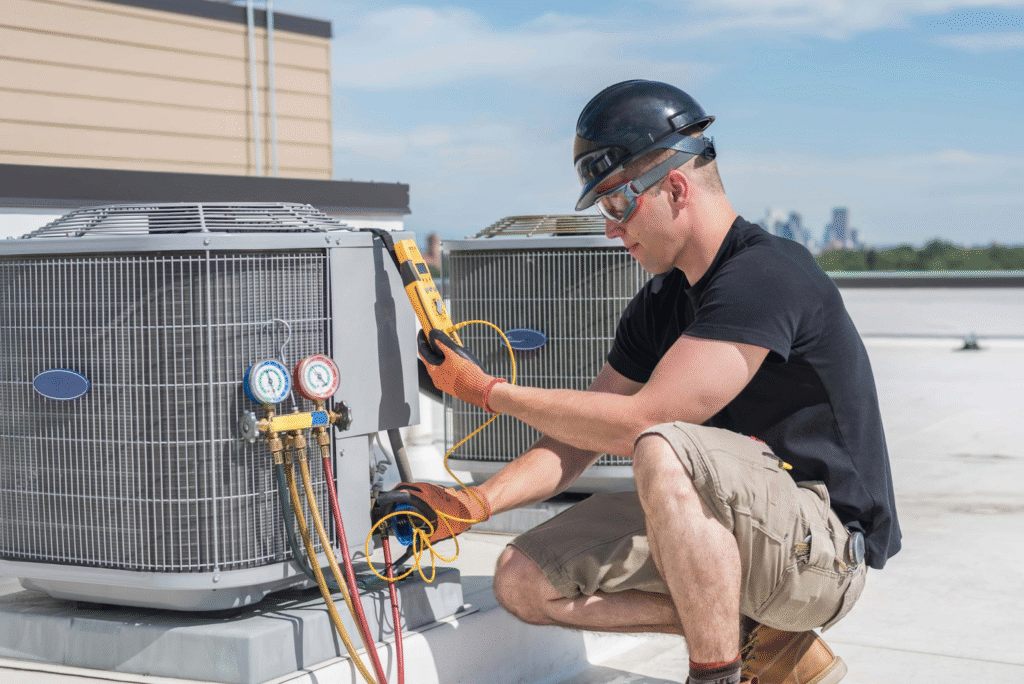
After sizing, you get options and pricing. Each choice includes equipment details, efficiency levels, and total installation cost. Once you choose a system, the team builds an installation timeline that fits your schedule. Most projects finish faster when the home is ready and the ductwork is in good shape.
Installation stays organized from start to finish. Our crew removes the old equipment, installs the new system, and keeps the workspace clean. Quality testing follows. They check airflow, refrigerant levels, electrical connections, and system performance to make sure everything runs the way it should.
You get a final walkthrough before the job wraps up. Cloud 9 shows you how to use the system, adjust settings, and maintain performance. Post installation support stays in place too, so you are never left guessing if something feels off.
If you want clear pricing and a smooth installation, reach out to Cloud 9 Heating & Air to get started.
10. Ways to Save on HVAC Installation in Seattle (2026 Update)
Rebates
Federal rebates, PSE incentives, and city programs can lower your upfront cost fast. Seattle pushes energy efficient upgrades, so many homeowners qualify for help as long as they choose approved equipment.
Tax Credits Under New Energy Laws
Current energy laws offer tax credits for high efficiency systems. These credits reduce what you owe at tax time and make premium equipment more affordable.
Choosing the Right Sized System
A correctly sized system saves money immediately. Oversized units cost more to install and waste energy. Undersized units run nonstop and break down early. That’s why proper sizing protects your budget and your comfort.
Seasonal Promotions
HVAC companies offer better pricing during slower seasons. Spring and fall often bring discounts because of the dropped demand, and technicians have more availability.
Financing Options
Financing helps spread the cost across manageable payments. This keeps the project accessible without delaying comfort or efficiency.
Cloud 9’s Energy Efficient Recommendations
Cloud 9 Heating & Air guides you toward equipment that saves money long term. Our recommendations focus on energy use, reliability, and the best return for Seattle’s climate.
If you want to start planning your new system, contact us now!
11. Why Choose Cloud 9 Heating & Air?
Cloud 9 Heating & Air stands out because we know Seattle homes and understand how the climate affects HVAC performance. Our team gives you transparent pricing and detailed estimates, so you never guess what you are paying for. Homeowners trust our installations because the work stays clean and is built to last.
You also get licensed, certified technicians who handle every step with care. Our customer reviews reflect that consistency, especially from families who want a reliable system without surprises. Cloud 9 also focuses on energy efficient solutions that fit Seattle’s push toward smarter heating and cooling.
If you want to explore options, you can visit our main services page or head to the contact page to schedule your free consultation.
12. FAQs
How much does a full HVAC system cost in Seattle in 2026?
Most Seattle homeowners see $14,000 to $25,000 for a full system that includes a furnace and AC. The final number depends on efficiency, system size, and ductwork needs.
How long does HVAC installation take?
Most installations finish in one to two days. Jobs with ductwork, electrical upgrades, or tight spaces can take longer.
What is the most energy efficient HVAC option in Seattle?
Heat pumps lead in efficiency for Seattle’s climate. They handle both heating and cooling while using less energy than standard systems.
Are heat pumps worth it in Seattle’s climate?
Yes. Seattle’s mild temperatures help heat pumps work at peak efficiency. Homeowners save on energy bills and get year round comfort.
Do I need new ductwork for an HVAC replacement?
Not always. You only need new ductwork if your current ducts leak, show age, or cannot handle the airflow requirements of your new system.
What rebates are available for Seattle homeowners?
Federal tax credits, PSE incentives, and local city programs help lower upfront costs. Heat pump rebates are especially strong in Seattle.
13. Conclusion and CTA
HVAC installation costs keep rising in Seattle, and local factors like energy codes, labor rates, and climate needs play a big role in what homeowners pay. These shifts make it important to understand your options and choose a system that fits your home and your budget.
Cloud 9 Heating & Air makes that process easier. We give you transparent pricing, detailed estimates, and high quality installation work you can count on. Our crew focuses on comfort, efficiency, and long term value for Seattle homes.
Ready for a clear, accurate HVAC installation quote? Contact Cloud 9 Heating & Air today for a detailed estimate and energy efficient recommendations for your Seattle home.