

1. Introduction
If you’re investing in a new HVAC system in Seattle, one of the first questions you’ll ask is: how long will it last? That question matters here because Seattle stays damp for long stretches, and moisture can wear on outdoor equipment and metal parts over time. When you understand lifespan up front, you can plan maintenance and avoid surprise replacement costs.
Mitsubishi and American Standard are two trusted names homeowners often compare for Seattle heating and cooling. Mitsubishi ductless systems are popular for efficient, steady comfort, while American Standard is a common choice for furnaces and heat pumps in many homes. Even strong brands can fall short if a system is sized wrong, installed poorly, or left without routine tune-ups. This guide breaks down typical lifespans in Seattle and explains what helps systems reach the higher end of the range.
Cloud 9 Heating & Air works with Seattle homeowners every day, so we see what actually shortens system life and what keeps equipment running longer. We can inspect your current setup, explain your options in plain language, and help you build a maintenance plan that fits your home.
Schedule a consultation with Cloud 9 Heating & Air.
2. Average Lifespan of HVAC Systems in Seattle
Most HVAC systems in Seattle last about 12 to 20 years, but the range depends on what type of equipment you install and how hard it runs. A well-sized system that gets regular service usually reaches the higher end of that range. A system that gets neglected often breaks down earlier, even if it started as a solid brand.
Heat pumps and furnaces tend to age differently in Seattle homes. A furnace often lasts 15 to 20 years because it has fewer outdoor parts exposed to weather. A heat pump usually lands closer to 12 to 15 years because it runs more months of the year and relies on an outdoor unit that deals with moisture and temperature swings. Ductless systems can also last 15 to 20 years when installers size them correctly and homeowners keep filters and coils clean.
Seattle’s climate is not extreme hot or cold, but the long wet season can still shorten equipment life. Moisture can speed up corrosion on outdoor cabinets, coils, and fasteners, and it can also stress electrical components if drainage and airflow are poor. Regular maintenance matters because it keeps the system clean, protects airflow, and helps you catch small problems before they become expensive failures.
3. How Long Do Mitsubishi HVAC Systems Last?
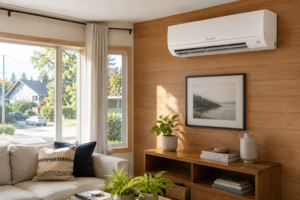
Most Mitsubishi ductless mini-split systems last 15 to 20 years with proper sizing and regular maintenance. That range depends on steady airflow, clean coils, and correct refrigerant charge. Lifespan can shorten when installation cuts corners or filters stay clogged for long periods.
Mitsubishi systems are known for efficient performance and smooth modulation. In Seattle, that matters because many homes run heat pumps for long stretches, and steady operation reduces hard on and off cycling that wears parts faster.
Damp weather still affects outdoor units. Moisture, poor drainage, or blocked airflow can increase corrosion risk, so good placement and routine cleaning help protect performance through wet seasons.
Warranty coverage varies by model, registration, and installation details. Review terms carefully and confirm maintenance requirements before purchase. Regular tune-ups, filter cleaning, and keeping the outdoor unit clear often add years to ductless system life.
4. How Long Do American Standard HVAC Systems Last?
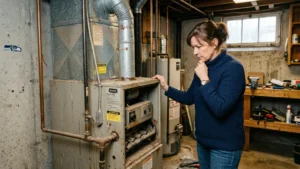
American Standard systems often last a long time in Seattle when sized correctly and serviced on schedule. Most furnaces run about 15 to 20 years, and many reach the higher end when airflow stays clean and combustion components get checked annually. Lifespan drops when filters clog, duct airflow stays restricted, or the unit short cycles.
American Standard heat pumps usually last 12 to 15 years in Seattle homes. They run for steady year-round comfort, and the outdoor unit sits in wet weather for months. Proper drainage, clear clearance, and correct refrigerant charge reduce extra strain.
Many homeowners choose the brand for reliable performance and consistent comfort. It fits well in Seattle when matched carefully to the home, since oversized systems can wear faster and feel uneven.
Limited warranty coverage varies by model, registration, and maintenance history. A contractor can explain your specific coverage and how routine service helps protect it. For help selecting or servicing a system, visit our American Standard services page.
5. What Factors Affect HVAC Lifespan in Seattle?
Two homes can install the same HVAC brand and see different lifespans. In Seattle, environment, installation quality, maintenance, and usage patterns shape how long a system lasts. Moisture and steady heat pump use often add wear that builds slowly.
Moisture and Coastal Air
Seattle’s long wet season keeps outdoor units damp, which can speed up rust on panels, fasteners, and coil frames. Homes closer to Puget Sound face added corrosion from salty air, especially when units stay exposed. Leaves and debris trap moisture, so clear airflow and proper drainage help reduce constant damp stress.
Installation Quality
Installation often decides whether a system reaches the high end of its lifespan. Oversized equipment can short cycle and wear components faster. Correct refrigerant charge, secure electrical connections, and proper outdoor placement help the system run smoothly and avoid early repairs.
Maintenance Frequency
Annual tune-ups catch dirty coils, weak capacitors, and drainage issues before they damage major parts. Regular filter changes protect airflow and reduce strain on the blower and compressor. Clean airflow supports efficient heating and cooling while extending equipment life.
Usage Patterns
Seattle homeowners often run heat pumps most of the year, increasing total operating hours. Longer runtime makes proper setup and maintenance more important. Matching equipment and service intervals to year-round use helps prevent early wear.
6. Signs It’s Time to Replace Your HVAC System
Most systems decline gradually, and the first clues show up in comfort and monthly costs. Rising energy bills without changes in usage often mean efficiency is slipping as parts wear. Aging compressors, dirty coils, or weak capacitors can push the system to run longer just to hold the thermostat setting.
Frequent repairs are another warning sign, especially when the same issue returns. One repair can be routine, but repeated service calls suggest a breakdown cycle has started. When costs pile up in a single season, replacement may offer more stability.
Uneven heating or cooling can signal airflow problems or components that no longer perform evenly. If one room stays warm while another feels cold despite open vents and clean filters, the system may no longer match the home’s needs.
Unusual noises like grinding, rattling, or buzzing often point to mechanical or electrical wear. If the system is 15 to 20 years old, a professional inspection can help you compare repair value with the long-term benefit of replacement.
7. How Cloud 9 Heating & Air Helps Seattle Homeowners
Cloud 9 Heating and Air sends certified technicians who understand how Seattle homes actually run heating and cooling. We look at airflow, drainage, and outdoor unit placement because damp weather can wear parts down faster when the setup is not right. You get clear notes on what we found and what it means for system life.
We also work with both Mitsubishi and American Standard systems, so we can service what you have or help you choose what fits your home. Brand matters, but sizing matters more, because an oversized or undersized system tends to cycle poorly and wear out sooner. We base recommendations on your square footage, insulation, layout, and how your household uses the system.
If you want your system to last, you need a maintenance plan that matches Seattle conditions. Cloud 9 can handle annual tune-ups, filter guidance, and performance checks that catch small problems before they become expensive failures. We stay honest about repair versus replacement so you do not spend money on fixes that will not hold.
Book your HVAC system inspection today.
8. Frequently Asked Questions
How long do HVAC systems typically last in Seattle?
Most systems last 12 to 20 years, depending on type and runtime. Furnaces often reach 15 to 20 years, while heat pumps usually land around 12 to 15 because the outdoor unit runs through long wet seasons. Ductless systems can also reach 15 to 20 years with proper sizing and maintenance.
Are Mitsubishi mini-splits good for Seattle weather?
Yes, they handle steady moderate temperatures efficiently and offer room-by-room control. Proper outdoor placement, drainage, and airflow help prevent moisture damage. With solid installation and routine service, they stay reliable through damp seasons.
How often should I service my HVAC system?
Once per year works for most Seattle homes. Heat pumps that run most months benefit from checks on airflow, coils, electrical parts, and drainage. Regular filter changes also protect performance and reduce wear.
Is American Standard a reliable HVAC brand?
American Standard has a strong reliability record, especially for furnaces and whole-home systems. Correct sizing and quality installation matter as much as the brand itself. Furnaces often last 15 to 20 years, while heat pumps average 12 to 15.
Can maintenance really extend system lifespan?
Yes, because clean coils, proper refrigerant levels, and clear drains reduce strain on motors and compressors. Consistent filter changes prevent airflow restrictions that cause overheating and longer run times. Routine service helps avoid early breakdowns.
When should I replace my heat pump?
Consider replacement around 12 to 15 years if repairs become frequent or costly. Rising energy bills, uneven comfort, or loud mechanical noise can signal aging components. A professional inspection helps compare repair costs with efficiency gains from a new system.
9. Conclusion
Mitsubishi and American Standard systems can last a long time in Seattle when you install them correctly and keep them maintained. Many homeowners see strong lifespans from ductless mini-splits, furnaces, and heat pumps when the system runs with clean airflow and stable performance. Your results depend less on the logo and more on the details that support the equipment.
Seattle’s damp climate can shorten durability when moisture sits on outdoor components and debris blocks drainage. Coastal air can add corrosion risk, and year-round heat pump use can add operating hours faster than most people expect. Regular maintenance offsets those risks by keeping coils clean, protecting airflow, and catching worn parts before they cause bigger damage.
Cloud 9 Heating & Air helps you make smart choices with honest inspections, proper sizing, and maintenance plans that fit Seattle conditions. If you’re considering a new HVAC system or want to extend the life of your current one, contact Cloud 9 Heating & Air today for expert guidance.