

1. Introduction
Seattle homeowners are feeling pressure from two sides. Energy costs keep climbing, and comfort can still feel inconsistent from room to room. When your system runs longer to keep the house comfortable, the monthly bill tends to follow.
That is one reason ductless mini-splits have become a growing solution in Seattle. They offer heating and cooling in one setup, and they can help address comfort problems without forcing a major ductwork project. For homes that struggle with uneven temperatures or older layouts, that flexibility can make a noticeable difference.
To help you get a handle on why more homeowners are making the switch, we break down the key information piece-by-piece, including how ductless systems work, what benefits they offer, and when they tend to be a good fit.
2. Why Traditional HVAC Systems Don’t Always Work in Seattle
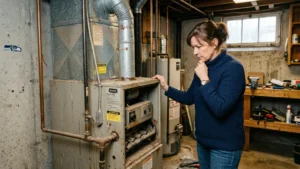
Traditional HVAC systems do not always fit Seattle homes, and the biggest reason is the housing stock. Many older houses were built without ductwork, which makes a standard forced-air setup harder to add without major changes. When the home was not designed for ducts, retrofitting can become a construction project instead of a simple equipment swap.
Even in homes that do have ducts, comfort can still feel uneven. Some rooms run warmer. Others stay cooler. Airflow does not always reach the spaces that need it most, and that can lead to inefficiency because the system keeps running to fix a problem that comes from distribution, not just temperature settings.
Ductwork also comes with its own costs. Installing new ducts or upgrading old ones can be expensive, and the work can involve opening walls, ceilings, or floors. That cost can feel hard to justify when the goal is better comfort and lower energy use, especially if the home only needs targeted improvements in a few rooms.
3. What Is a Ductless Mini-Split System?
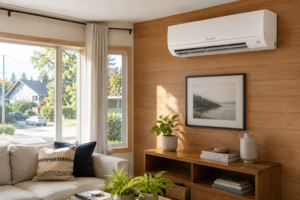
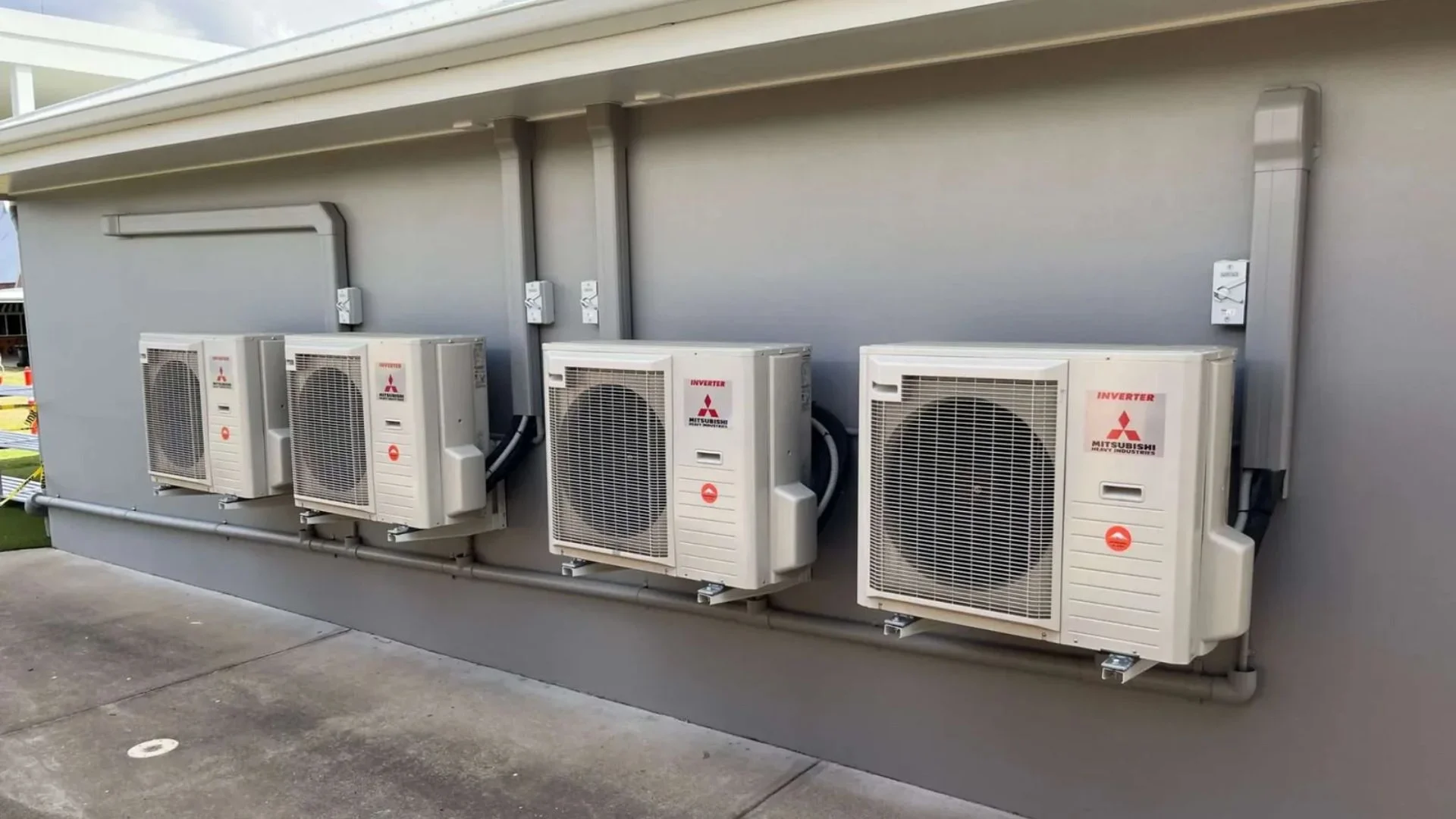
A ductless mini-split is a heating and cooling system that does not rely on traditional ductwork. Instead of pushing air through a network of vents, it uses an outdoor unit connected to one or more indoor units. Each indoor unit delivers conditioned air directly into the space where it is installed.
The basic operation is straightforward. The system moves heat rather than creating it through combustion, and it uses refrigerant lines to transfer that heat between the outdoor and indoor components. Because the air does not have to travel through ducts, the system can avoid some of the losses that come with ductwork, especially in older homes.
One of the biggest reasons these systems have become popular is that they provide heating and cooling from one system. In cooler months, the mini-split can deliver heat to the indoor space. In warmer months, it can reverse the process and provide cooling. This makes it a flexible option for Seattle homeowners who want a single setup that can handle comfort through the year without requiring major changes to the home’s structure.
4. Key Benefits Driving the Switch
The switch to ductless mini-splits usually comes down to a few benefits that homeowners notice quickly. The first is energy efficiency. When you heat or cool the areas you actually use, the system does not have to push conditioned air through a full duct network, and that can help lower utility bills over time.
Another benefit is zoned comfort by room. Instead of setting one temperature for the entire house and hoping every space feels the same, you can control comfort where you need it. That matters in Seattle homes with hot and cold pockets, especially in upstairs rooms, finished basements, or spaces that sit far from the main living area.
Quiet operation is also a big driver. Many mini-split systems run without the loud starts and stops that people associate with older equipment. When the system is quieter and the temperature stays more consistent, comfort improves in a way that feels less noticeable, which is often the point. Eventually, you stop thinking about the system because the space feels better.
5. Are Mini-Splits Right for Your Home?
Ductless mini-splits can be a strong fit for a lot of Seattle homes, but they tend to shine in a few specific situations. If your home does not have ductwork, a ductless system can deliver heating and cooling without the disruption and cost of adding ducts throughout the house. That makes it a practical option for many older properties.
They can also work well when comfort is inconsistent in certain spaces. If one level runs colder, or a back bedroom never matches the thermostat setting, a ductless setup can target those areas directly instead of trying to fix the whole home through one central system.
Additions and remodels are another common use case. When you add a room, finish an attic, or convert a basement, extending existing ductwork can be complicated. But a ductless unit can provide dedicated comfort for the new space without forcing a major redesign of the existing system.
For many Seattle homeowners, the best fit comes down to the home’s layout and what you are trying to solve. If you want targeted comfort, less reliance on ducts, and a solution that works for older houses and new spaces alike, ductless mini-splits are often worth a close look.
6. Cost, Savings, and Long-Term Value
Ductless mini-splits can cost more upfront than some traditional equipment swaps, especially if you are adding multiple indoor units for different rooms. That upfront cost is the tradeoff for a system that can deliver targeted comfort and higher efficiency over time.
The long-term value shows up through savings. When you can condition the rooms you actually use, you often avoid wasting energy on spaces that do not need the same level of heating or cooling. Over months and years, that efficiency can help lower utility bills, which is one of the main reasons Seattle homeowners start looking at ductless in the first place.
Energy efficiency incentives and rebates can also shift the math. Depending on the project and the equipment, homeowners may be able to reduce the effective cost through programs tied to efficiency. Those incentives change, so it helps to look at what is available around the time you plan the upgrade.
Maintenance is another part of the value. Ductless systems can reduce some of the ongoing needs that come with ductwork, and the setup is often simpler to keep running well with regular checkups.
7. Why Professional Installation Matters
Professional installation matters because ductless performance depends on details you cannot fix later with thermostat settings. The system has to match the home, and it has to be placed in a way that supports how air moves through each room.
Proper sizing and placement are the foundation. If the equipment is not sized correctly, it can cycle in ways that affect comfort and efficiency. If indoor units are placed poorly, you can end up with hot and cold pockets even though the system is technically running. A good install accounts for room layout, usage patterns, and where the system will deliver air most effectively.
Installation quality also affects efficiency and system lifespan. When components are set up correctly, the system can run more consistently and avoid unnecessary strain. Over time, that helps protect the investment and keeps performance closer to what the equipment is designed to deliver.
Code compliance and warranties are the final piece. Proper installation helps meet local requirements, and it also supports warranty protection that may depend on licensed work and correct setup. When the job is done right from the start, you get better comfort and fewer complications later.
8. Why Choose Cloud 9 Heating & Air
Cloud 9 Heating & Air is a fit for ductless work because the team understands Seattle homes and the comfort problems that push people to consider mini-splits in the first place. Local experience matters when housing styles vary and layouts create rooms that never seem to match the thermostat.
Cloud 9 also brings trusted ductless installation expertise. Mini-splits perform best when sizing and placement are handled correctly, and a contractor who installs these systems regularly is more likely to get the details right from the start. That helps the system deliver the efficiency and comfort homeowners expect.
Customer-focused service is the final piece. Homeowners want clear guidance, clean work, and a system that performs the way it should after installation. When the process is straightforward and the work is done carefully, the upgrade feels more like a solution instead of another home project to manage.
9. Frequently Asked Questions
Do ductless mini-splits work well in Seattle winters?
Yes. Seattle winters are a common use case for ductless systems. Proper sizing and installation are the factors that determine how well they perform through colder stretches.
How much does a ductless mini-split cost in Seattle?
Cost depends on the number of indoor units, the home layout, and the scope of the install.
Can one system heat and cool my entire home?
It can, depending on the home and how the system is designed.
How long does installation take?
Timing depends on the complexity of the install and the number of indoor units. A straightforward setup can move faster than a multi-zone project that requires more placement work.
Are rebates available for ductless systems?
In some cases, yes. Incentives and rebates can vary by program and time period, so it helps to check what is available when you are planning the upgrade.
10. Conclusion & CTA
Ductless mini-splits have become a popular option in Seattle because they solve a few common problems at once. They can improve efficiency, they can make comfort more consistent, and they can add flexibility in homes where traditional ducted systems are hard to optimize.
The biggest advantage is efficiency. When the system can focus heating and cooling where it is needed, it can reduce wasted run time and help bring utility costs down over the long run. Comfort is the second piece. Zoned control lets you manage rooms separately, which helps in homes where temperatures vary by floor, exposure, or layout. The flexibility shows up in how the system fits different spaces, especially when you want targeted improvements without major ductwork changes.
If you are considering the switch, the next step is to look at your home’s layout and comfort goals and get a plan that matches the space. Contact Cloud 9 Heating & Air today to schedule a ductless mini-split consultation in Seattle.