

1. Introduction
Seattle homeowners are increasingly choosing Mitsubishi ductless mini splits for energy efficient heating and cooling. That shift makes sense in a city where people want better comfort, lower energy use, and a system that can work well in older homes, additions, and spaces without existing ductwork. Seattle also continues to support heat pump adoption through local programs and rebates, which has helped make these systems a more practical option for many households.
Part of the appeal is versatility. A Mitsubishi mini split can heat and cool specific rooms, reduce wasted energy, and give homeowners more control over comfort throughout the day. That combination of flexibility, quiet operation, and potential long term savings has made ductless systems a strong fit for Seattle homes where comfort needs can vary from one room to another.
Choosing the right installer matters just as much as choosing the right equipment. We are Seattle’s trusted HVAC company and a certified Mitsubishi contractor, and we were awarded the 2025 Mitsubishi Diamond Contractor of the Year.
Contact us for a free consultation on installing a Mitsubishi mini split in your home.
2. What Are Mitsubishi Ductless Mini Splits?
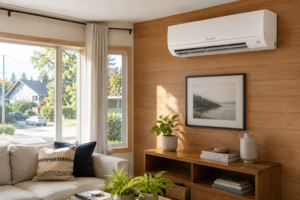
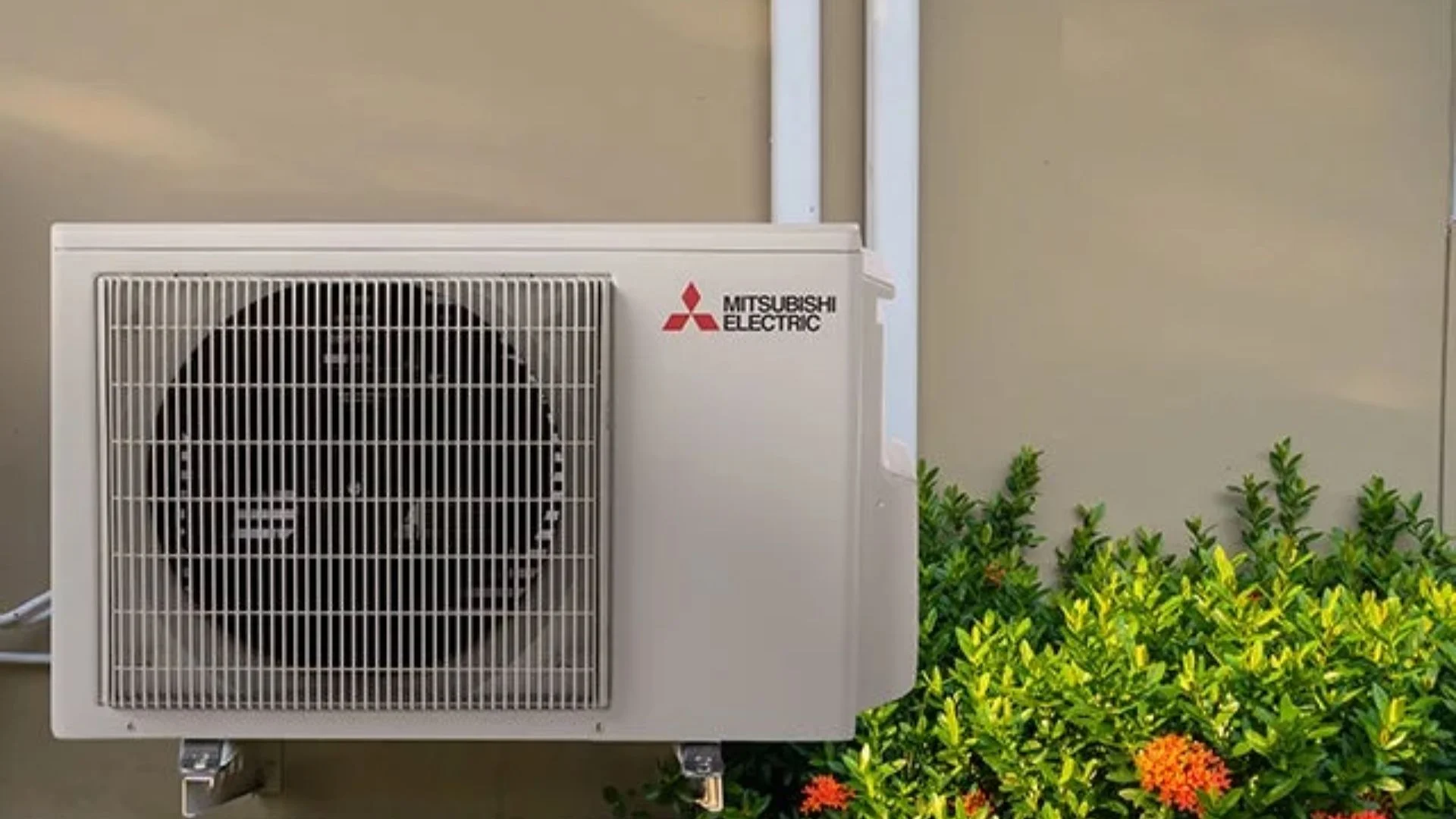
Mitsubishi ductless mini splits are heating and cooling systems that control temperature in individual rooms without ductwork. They use an indoor and outdoor unit connected by refrigerant lines, with single or multi zone setups for different areas.
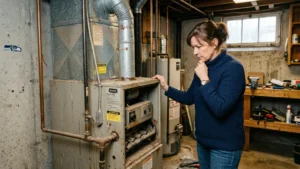
Unlike traditional HVAC, they deliver heating and cooling directly to each room. This makes them a strong fit for older homes, additions, and spaces with uneven temperatures.
3. Pros & Cons of Mitsubishi Mini Splits
Mitsubishi mini splits are energy efficient because they avoid duct losses, which can account for over 30% of energy use. This can lead to lower utility bills, especially in homes with older heating systems.
They also offer zoned comfort, letting you control temperatures in different rooms. Quiet operation and flexible installation make them a strong fit for many Seattle homes.
The main drawback is upfront cost, which is usually higher than other systems. Installation must be done correctly, since poor sizing or placement can affect performance.
Some homeowners also do not like visible wall units, and larger homes may need multiple zones, increasing complexity and cost.
4. Costs and Budget Considerations
The cost of a Mitsubishi mini split in Seattle can vary quite a bit because the system is built around the home rather than sold as a one size fits all package. Local pricing examples show that a simpler single zone installation may fall around $3,500 to $5,500, while larger multi zone setups often move into the $6,000 to $9,500 range, and whole home projects can rise well above that.
Broader Seattle heat pump data also shows average project costs above $10,000, which helps explain why ductless systems should be priced based on the home and not by equipment alone.
Several factors shape the final number. The number of indoor units matters because more zones usually mean more equipment, more refrigerant line work, and more labor. Home size, wall access, electrical upgrades, mounting location, and permit needs can also raise the price.
The higher upfront cost can still make sense when you look at long term efficiency. The U.S. The Department of Energy says ductless mini splits avoid duct losses that can account for more than 30% of energy use for space conditioning, which can support lower utility bills over time.
Maintenance costs are usually smaller than installation costs, but they still matter, and Seattle area service pricing examples show annual maintenance often starting in the low hundreds of dollars depending on equipment and service level.
5. Installation Process Overview
The installation process usually starts with a site assessment so the system can be matched to the home instead of installed by assumptions. We include an in home comfort assessment and sizing guidance to determine the right unit capacity, placement, and setup. That first step matters because proper sizing and positioning affect comfort, efficiency, and noise levels.
From there, we handle installation, including indoor and outdoor unit setup, refrigerant lines, mounting, electrical connections, and system testing. Professional installation is important so everything runs safely and correctly.
For many Seattle homes, the timeline is manageable. Most ductless heat pump installations take about one day, though larger or more complex setups can take longer.
6. Maintenance and Longevity
Regular maintenance helps a Mitsubishi mini split keep its efficiency, airflow, and comfort over time. Mitsubishi says many of its systems use removable, washable filters, and both Mitsubishi and the U.S. Department of Energy recommend routine filter care because dirty filters can reduce airflow and system performance. A good rule is to check filters often and clean them on schedule, while also having a qualified technician inspect and service the system regularly so coils, connections, and overall operation stay in good shape.
Cleaning is not limited to the filters alone. Dust and debris can build up on indoor components, and professional service helps catch issues that are easy to miss during everyday use. Over the long term, that kind of care matters because Mitsubishi says all climate heat pump systems are designed to last 15 years or more when they are installed and maintained properly. That makes routine service part of protecting the value of the system, not just keeping it running today.
Warranty terms are another reason proper installation and maintenance matter. Mitsubishi says systems installed by a Diamond Contractor and registered within 90 days can qualify for a 12 year parts and compressor warranty in a single family home, and we are definitely a trusted Mitsubishi Diamond Contractor.
Schedule professional installation and maintenance with Cloud 9 Heating & Air.
7. Are Mini Splits Right for Your Seattle Home?
A Mitsubishi mini split can be a strong choice for a Seattle home, but the right fit depends on how the home is built and how you use each space. The U.S. Department of Energy says ductless mini splits work especially well in homes without ductwork, in room additions, and in spaces where extending or installing ducts would be difficult. That makes them easier to compare with central HVAC in older Seattle homes, finished basements, converted garages, and upper floors that never seem to stay comfortable. Central air can still make sense in homes that already have well designed ducts, while window units may cost less upfront but usually offer a less refined and less permanent solution.
Home layout matters just as much as the equipment itself. Mini splits tend to work best when the system can serve specific rooms or open areas without forcing one temperature across the entire house. The Department of Energy notes that zoned control is one of the main benefits, which helps homeowners heat or cool only the areas they actually use.
The main tradeoff is the balance between upfront cost and long term savings. Installation can cost more at the start, but mini splits avoid duct losses and Seattle rebates can help reduce the initial expense for qualified projects. For many homeowners, the better question is not whether the system costs more on day one, but whether it will deliver better comfort and lower operating costs over time.
8. Why Choose Cloud 9 Heating & Air?
Choosing the right installer matters because the quality of a mini split system depends on more than the equipment itself. We serve Seattle and surrounding communities, bringing local experience that helps match the system to your home instead of using a generic setup.
We are also a Diamond Rated Mitsubishi Contractor, and we were awarded the 2025 Mitsubishi Diamond Contractor of the Year. That matters because proper sizing, installation, and testing all affect long term performance.
Service matters after the recommendation as well. We provide personalized guidance, clear quotes, and support for heating, cooling, and ductless systems so the solution fits your home.
Contact us for a free consultation.
9. Frequently Asked Questions
How much does a Mitsubishi mini split cost in Seattle?
Costs vary by system size and installation. Simple setups cost less, while larger multi zone systems cost more, with averages around $10,000+.
Can a mini split heat and cool the same room?
Yes, a mini split can both heat and cool the same room. It works year round using one indoor and one outdoor unit.
How long does installation take?
Most installations take about one day. Larger or more complex systems may take longer depending on the setup.
Are Mitsubishi mini splits energy efficient?
Yes, they are energy efficient because they avoid duct losses. This can help improve comfort and reduce energy use.
Do I need multiple units for a large house?
Maybe, depending on layout. Larger homes often need multiple indoor units for consistent comfort in different areas.
How often should mini splits be serviced?
Filters should be cleaned regularly, and systems should be professionally serviced at least once a year.
10. Conclusion
Mitsubishi mini splits can be a strong fit for Seattle homes because they combine efficient heating and cooling with flexibility that many older homes and room additions need. They can help reduce duct related energy loss, give you more control over comfort from room to room, and support year round performance without relying on a full traditional duct system. In a city where home layouts vary so much, that kind of flexibility can make a real difference in both comfort and energy use.
The next step is to look at your home as it actually works day to day. Room size, layout, insulation, existing heating, and the number of spaces you want to control all matter when deciding whether a mini split is the right investment.
Ready to maximize comfort and efficiency in your Seattle home? Schedule your Mitsubishi mini split installation with Cloud 9 Heating & Air today.