

1. Introduction
Whether you are replacing a furnace that failed during a cold Seattle winter or upgrading from portable AC units to a full-home comfort system, an HVAC installation is one of the largest investments many homeowners make in their property. Most people only go through the process once or twice, which is why many Seattle homeowners are unsure what to expect once the project actually begins.
Questions about installation timelines, permits, equipment choices, disruption inside the home, and total project scope are completely normal before any work starts.
Seattle’s climate also makes HVAC decisions more important than they were even a few years ago. The region’s damp winters, increasing summer heat, and growing demand for energy-efficient systems mean the installation itself matters just as much as the equipment being installed.
A high-quality system will still underperform if it is poorly sized or installed incorrectly for the home.
At Cloud 9 Heating & Air, the installation process is designed to feel organized, transparent, and manageable from the first assessment through the final inspection.
2. Why Proper HVAC Installation Matters More Than the Equipment Itself
The quality of an HVAC installation has a direct impact on how efficiently the system performs, how long it lasts, and how much a homeowner ultimately spends operating it over time. Industry studies consistently show that improperly installed HVAC systems can lose up to 30% of their intended efficiency, even when the equipment itself is high-end and energy efficient.
A poorly installed system often struggles from the very beginning, which is why installation quality matters just as much as the brand name printed on the equipment.
Seattle homeowners commonly deal with problems caused by incorrect system sizing, poorly sealed ductwork, refrigerant charge issues, and uneven airflow throughout the home.
These mistakes can lead to higher utility bills, inconsistent temperatures, humidity problems, excessive wear on components, and indoor comfort issues that never fully go away. Washington State energy code under WAC 51-11C also requires HVAC systems to meet specific efficiency and commissioning standards, yet not every contractor follows those requirements carefully during installation.
A properly installed HVAC system runs more efficiently, maintains better indoor air quality, and places less strain on major components month after month. That usually translates into fewer repairs, lower operating costs, and a longer equipment lifespan overall.
Here’s exactly what Seattle homeowners can expect during a professional HVAC installation with Cloud 9 Heating & Air.
3. Step 1: The In-Home Assessment and System Selection
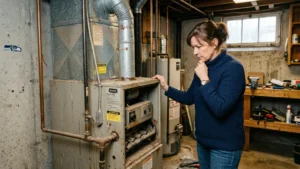
A professional HVAC installation starts long before any equipment arrives at the home. Before recommending a furnace, heat pump, or ductless system, a qualified contractor should first perform a Manual J load calculation, which is the industry standard for determining the correct heating and cooling capacity for a specific property.
System sizing based only on square footage often leads to problems because every home handles airflow, insulation, sunlight, and heat retention differently.
During the in-home assessment, the contractor evaluates factors such as ceiling height, insulation quality, window size and placement, sun exposure, ductwork condition, airflow restrictions, and overall home layout.
Seattle’s climate also plays an important role in the recommendation process. While the region remains relatively mild compared to other parts of the country, recent heat dome events and hotter summer temperatures mean HVAC systems now need to handle both damp winters and periods of significant summer heat more effectively than in the past.
This stage is also where homeowners decide between system types such as heat pumps, gas furnace and AC combinations, ducted systems, or ductless mini-splits with single-zone or multi-zone configurations.
Energy Star eligibility and available rebates through Seattle City Light or Puget Sound Energy are usually confirmed during this process as well. At Cloud 9 Heating & Air, every installation starts with a detailed home assessment designed to match the system to the way the home actually performs.
Schedule your free in-home assessment with Cloud 9 Heating & Air today.
4. Step 2: Permits, Scheduling, and Pre-Installation Preparation
Once the system selection is finalized, the project moves into scheduling, permitting, and installation preparation. HVAC installations in Seattle require permits through the Seattle Department of Construction & Inspections, and a professional contractor handles that process directly on the homeowner’s behalf.
Reputable HVAC companies do not ask homeowners to bypass permits because permits and inspections protect both the safety of the installation and the long-term value of the property.
Permit approval timelines usually range from a few business days to a little over a week depending on the type of system being installed and the scope of the work involved. During that time, homeowners are typically asked to prepare the installation areas by clearing access to attics, crawlspaces, mechanical rooms, garages, or exterior equipment pads where technicians will be working.
Pets should also be secured before the crew arrives since installation teams may be moving equipment and tools in and out of the home throughout the day.
Most major HVAC equipment is either delivered the morning of the installation or staged shortly beforehand so the project can begin immediately once the crew arrives.
At Cloud 9 Heating & Air, homeowners receive written confirmation covering scheduling details, technician arrival windows, project expectations, and preparation steps before installation day arrives.
Clear communication early in the process helps prevent delays, confusion, and last-minute surprises once the work begins.
5. Step 3: What Happens on HVAC Installation Day
Morning: Removal of the Existing System
Most HVAC installation days begin with disconnecting and removing the old equipment already in the home. Technicians safely recover any refrigerant according to EPA Section 608 regulations before the existing furnace, air handler, condenser, or heat pump is removed from the property.
Before connecting any new equipment, the crew also inspects the existing ductwork for leaks, airflow restrictions, damage, or sizing problems that could affect the performance of the replacement system.
Midday: New Equipment Installation
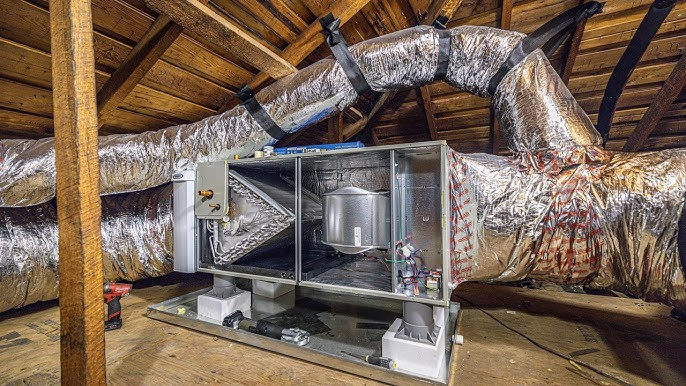
Once the old equipment has been removed, the new system installation begins. The indoor furnace or air handler is positioned and secured inside the mechanical space while the outdoor condenser or heat pump is placed on a level pad with proper spacing around the unit based on manufacturer specifications. Refrigerant lines, electrical wiring, condensate drains, and communication wiring are then connected and secured throughout the system.
If ductwork modifications are needed, technicians make those adjustments before sealing all new connections with mastic rather than standard duct tape, which breaks down over time and causes air leakage problems.
Afternoon: System Commissioning and Testing
After the physical installation is complete, the system enters the commissioning and testing phase. Technicians perform a full startup procedure that includes refrigerant charge verification, airflow balancing, thermostat calibration, and operational testing across every register and zone. Smart thermostats are programmed at this stage as well if the homeowner selected one during the system design process.
Before leaving the property, the installation team walks the homeowner through basic system operation, filter replacement locations, thermostat controls, and recommended maintenance practices so the system can operate efficiently from day one.
6. Step 4: Post-Installation Inspection and Final Sign-Off
After the installation is complete, the project moves into the final inspection and sign-off stage. Washington State requires HVAC installations to pass a city or county inspection to confirm the system meets current mechanical, electrical, and energy code requirements.
At Cloud 9 Heating & Air, inspection scheduling and coordination are handled directly for the homeowner so there is no confusion about timelines, paperwork, or permit requirements.
During the inspection, the city or county inspector reviews electrical connections, refrigerant line integrity, equipment clearances, thermostat wiring, condensate drainage, and overall permit compliance. Once the system passes inspection, the installation is officially finalized.
This stage also includes manufacturer warranty registration, which is more important than many homeowners realize. Most HVAC manufacturers require professional warranty registration within a limited timeframe after installation, usually between 30 and 60 days.
Cloud 9 Heating & Air completes that registration process on the homeowner’s behalf and also provides an extended labor warranty covering the installation workmanship itself.
Before the project closes out, homeowners receive a complete documentation package containing permit records, equipment manuals, warranty certificates, and recommended maintenance schedules for the new system.
Cloud 9 handles every step of the post-installation process so Seattle homeowners are not left dealing with paperwork or follow-up issues on their own.
7. Seattle-Specific HVAC Installation Considerations
Seattle’s climate and housing stock create HVAC installation considerations that are very different from those in hotter or drier parts of the country. Heat pumps have become the dominant system choice for many Seattle homes because the region’s relatively mild winters allow heat pumps to operate very efficiently year-round. Washington State’s long-term clean energy goals are also accelerating the shift away from traditional gas heating systems across the region.
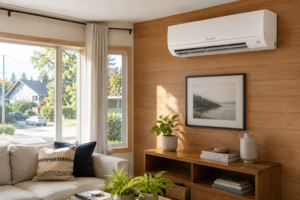
Ductless mini-splits are especially popular in Seattle’s older homes, including Craftsman houses and mid-century ramblers that were originally built without central ductwork. In many of those homes, adding full duct systems would require major construction work that quickly becomes expensive and disruptive. Ductless systems often provide a far more practical solution while still delivering efficient heating and cooling.
Utility rebates also play a major role in system selection. Seattle City Light and Puget Sound Energy both offer rebates for qualifying heat pump installations, and Cloud 9 Heating & Air helps homeowners identify and process those incentives during the installation process.
Seattle’s damp climate also makes moisture management especially important during HVAC installation. Proper condensate drainage, airflow balancing, and indoor air quality planning help prevent long-term moisture issues that less experienced contractors sometimes overlook. Outdoor equipment must also be properly anchored to meet Washington State seismic code requirements, which adds another layer of installation detail specific to the region.
8. How Long Does an HVAC Installation Take in Seattle?
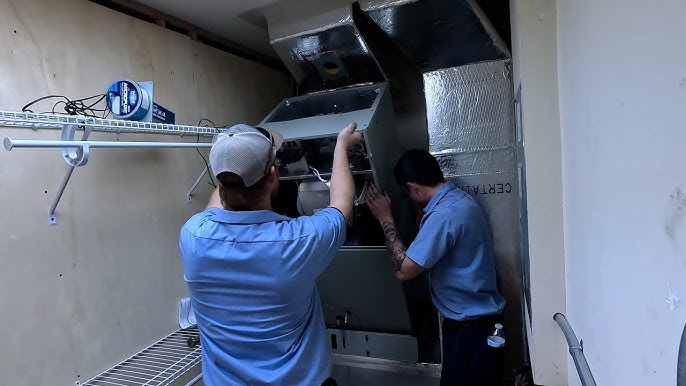
The timeline for an HVAC installation in Seattle depends on the type of system being installed, the condition of the existing equipment, and whether additional electrical or ductwork upgrades are needed during the project. Most standard single-system replacements, such as a furnace or heat pump paired with an air handler, are typically completed within one full workday lasting roughly six to eight hours.
Single-zone ductless mini-split systems are often even faster and commonly take between four and six hours from start to finish.
More complex installations naturally require additional time. Multi-zone ductless systems usually take one to two days depending on the number of indoor heads and the layout of the home. New construction projects or full duct system installations may take several days because technicians are building and configuring large portions of the HVAC infrastructure from the ground up rather than replacing existing equipment.
Certain factors can also extend installation timelines unexpectedly. Permit delays, equipment back-orders, electrical panel upgrades, or major ductwork repairs sometimes add additional scheduling complexity, especially since supply chain disruptions have become more common in recent years.
9. Why Seattle Homeowners Choose Cloud 9 Heating & Air
Choosing the right HVAC contractor matters just as much as choosing the right equipment. Seattle homeowners consistently choose Cloud 9 Heating & Air because the company combines local experience, technical precision, and full-service project management under one roof.
Pacific Northwest homes come with specific challenges: damp winters, increasingly hot summers, older duct systems, and strict permitting requirements through the Seattle Department of Construction & Inspections, and local experience makes a measurable difference during installation.
Cloud 9 installations are performed by NATE-certified technicians, which is considered the highest independent certification standard in the HVAC industry. That certification matters because even high-end systems perform poorly when airflow, refrigerant charge, or system sizing is handled incorrectly.
Homeowners also receive transparent, itemized estimates before work begins so there are no surprise charges once the project is underway.
The company handles every stage of the process internally, including permits, equipment selection, installation, inspection coordination, warranty registration, and post-installation support. Established relationships with Seattle City Light and Puget Sound Energy also help homeowners maximize available rebate opportunities on qualifying systems.
And when questions come up after installation, homeowners speak with a local Seattle team that already knows their equipment and project history, not a rotating national call center reading from a script.
10. Frequently Asked Questions
How do I know what size HVAC system my Seattle home needs?
The correct HVAC size is determined through a Manual J load calculation that evaluates insulation, airflow, windows, ductwork, and Seattle climate conditions.
Is a heat pump or a gas furnace better for Seattle’s climate?
Many Seattle homes benefit from heat pumps because they work efficiently in mild winters and provide both heating and cooling. Some homes may still benefit more from gas furnaces depending on the property.
Does Cloud 9 Heating & Air handle the permits for HVAC installation in Seattle?
Yes. Cloud 9 Heating & Air handles permit paperwork and inspection scheduling through the Seattle Department of Construction & Inspections.
What rebates are available for HVAC installation in Seattle?
Seattle homeowners may qualify for rebates through Seattle City Light and Puget Sound Energy, especially for heat pump installations.
How long will my new HVAC system last with proper maintenance?
Most professionally installed HVAC systems last 15 to 20 years with regular maintenance and seasonal servicing.
11. Conclusion
An HVAC installation in Seattle does not have to feel overwhelming or unpredictable when the process is handled by the right contractor from the very beginning. From the initial home assessment and system sizing to permit coordination, installation, testing, and final inspection, every stage should be handled clearly, professionally, and without unnecessary surprises for the homeowner.
That level of detail matters even more today because Seattle’s climate is changing. Summers are becoming hotter, energy efficiency standards across Washington State continue to evolve, and homeowners are placing far greater attention on long-term operating costs and indoor comfort than they did even a decade ago. A properly installed HVAC system is no longer just a convenience.
It is part of protecting the comfort, efficiency, and value of the home itself.
Ready to get started? Contact Cloud 9 Heating & Air today to schedule your free in-home HVAC assessment and receive a no-obligation installation quote from Seattle’s most trusted heating and cooling specialists.