

1. Introduction
Seattle has a huge number of older homes, and plenty of them date back to before the 1980s. They come with charm, quirks, and sometimes a heating system that just can’t keep up. In Seattle’s cool, damp climate, an aging HVAC system runs hard for long stretches, and that steady grind can bring problems to the surface.
To help you get a handle on HVAC problems in older homes, this article breaks things down piece by piece. You’ll learn the most common Seattle older homes HVAC issues, why outdated HVAC systems struggle here, and which warning signs matter most.
By the end, you’ll know what to watch for and what questions to ask when you call for HVAC repair services.
2. Why Older Seattle Homes Face More HVAC Issues
Older Seattle homes face more HVAC issues for a few simple reasons. Most of these houses were built under building standards that no longer exist. Back then, builders focused on basic shelter, not long term comfort or efficiency. Heating systems met minimum needs, and that was enough at the time.
Insulation and ventilation designs also show their age. Many older homes still rely on thin insulation, patchy upgrades, or none at all in certain areas. Air leaks through walls, floors, and attics without much resistance. Ventilation often feels like an afterthought, which traps stale air and uneven temperatures inside the home.
On top of that, HVAC systems in older homes were never built for modern comfort expectations. People now expect steady temperatures, quieter operation, and better air quality. Older equipment struggles to deliver all three at once. The system runs longer, works harder, and falls behind faster. Over time, those limits turn into frequent comfort complaints and higher energy use.
3. Outdated or Inefficient Heating Systems
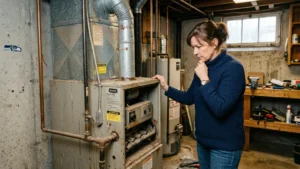
Many older Seattle homes still rely on furnaces or boilers that have been in place for decades. These systems did their job well for their time, but time catches up. Parts wear down. Technology falls behind. What once felt reliable now feels sluggish and unpredictable.
Older furnaces and boilers run at much lower efficiency than modern systems. They burn more fuel to produce the same amount of heat. A lot of that heat never even reaches your living space. It escapes through aging components, outdated designs, or inefficient heat transfer. You end up paying for energy that your home never fully uses.
That inefficiency shows up fast on your utility bills. Heating costs climb each winter, even when your habits stay the same. At the same time, comfort drops. Some rooms feel warm. Others stay stubbornly cold. The system cycles longer, then shuts off without fully balancing temperatures. You might crank the thermostat just to feel comfortable, which pushes costs even higher.
Inconsistent heating also puts extra stress on the system itself. Longer run times lead to faster wear on already aging parts. Small issues stack up quietly until breakdowns become more frequent. For many homeowners, this cycle creates frustration long before it creates clarity.
4. Poor Insulation and Heat Loss
Many houses still have original insulation that has settled, thinned out, or broken down over time. Some areas never had insulation at all. Attics, crawl spaces, and exterior walls often leak heat without homeowners realizing it.
When heat escapes this easily, your HVAC system has to pick up the slack. The furnace runs longer to maintain the same indoor temperature. It shuts off, then kicks back on again not long after. That constant cycle wears down components faster and pushes the system beyond what it was meant to handle. Over time, this strain leads to more frequent service calls and uneven performance.
Comfort takes a hit too. Rooms near exterior walls feel chilly. Floors stay cold. Drafts sneak in during the winter months and make the whole house feel off balance. You might adjust the thermostat often, but the temperature never feels quite right.
Energy usage rises along with frustration. Heat loss forces the system to burn more fuel just to stay afloat. Bills climb, comfort drops, and the home never feels as cozy as it should during Seattle’s long heating season.
5. Aging Ductwork Problems
Many duct systems were installed decades ago and never received proper updates. Over time, metal seams loosen, connections pull apart, and insulation around the ducts breaks down. Air escapes into walls, crawl spaces, and attics before it ever reaches your rooms.
Leaky ducts lead to poor airflow throughout the house. Some rooms get plenty of warm air, while others barely feel it. Hallways stay comfortable, but bedrooms feel cold. Homeowners often blame the furnace, but the ductwork plays a huge role in these uneven temperatures. The HVAC system works harder to push air through damaged pathways, which increases wear and energy use.
Old ductwork also affects indoor air quality. Dust, debris, and insulation particles collect inside aging ducts over the years. Gaps and cracks allow contaminants from crawl spaces and attics to get pulled into the system. That air then circulates through the home every time the heat runs.
These issues can trigger allergy symptoms and create a stuffy feeling indoors. Even with regular HVAC maintenance Seattle homeowners rely on, damaged ducts limit how clean and comfortable the air can feel. Without addressing duct problems, heating performance and air quality both suffer quietly in the background.
6. Electrical and Control System Issues
Electrical and control system issues show up often in older Seattle homes. Many still rely on outdated wiring and original thermostats that were never meant to handle modern HVAC demands. These components wear down over time and respond slower than they should. Temperature readings drift. Systems cycle at the wrong times. Therefore, Comfort becomes harder to control.
Compatibility creates another layer of trouble. Newer HVAC equipment expects precise signals and steady power. Older wiring and controls struggle to communicate properly with modern systems. Homeowners might notice short cycling, delayed starts, or systems that never seem to reach the set temperature. These problems feel random, but they usually trace back to outdated controls.
Safety and reliability also matter here. Aging wiring increases the risk of electrical faults. Loose connections and worn insulation raise the chance of system failures during peak heating season. When controls misfire, the HVAC system runs inconsistently and wears down faster. Addressing electrical and control issues early helps protect both comfort and peace of mind in older homes.
7. Moisture, Mold, and Ventilation Challenges
The city’s damp climate mixes poorly with older construction methods. Many homes were built before moisture control became a priority. As a result, humidity sneaks in and stays put. Basements feel clammy. Crawl spaces hold damp air. HVAC systems absorb that moisture day after day.
That constant exposure opens the door to mold growth inside ducts and HVAC components. Dust and debris inside older systems give mold a place to settle. Once it starts, the system spreads spores every time it runs. Homeowners might notice musty smells, allergy flare ups, or a lingering stale feeling indoors. These signs often point back to moisture hiding in the system.
Poor ventilation makes the problem worse. Older homes often lack proper airflow paths to move moist air outside. Bathrooms, kitchens, and laundry areas trap humidity instead of releasing it. The HVAC system ends up managing moisture it was never designed to handle. Over time, trapped humidity strains equipment and lowers indoor air quality.
These moisture issues affect comfort as much as health. Rooms feel heavy and stuffy even when the heat runs. That’s why managing humidity and ventilation plays a major role in keeping older Seattle homes comfortable and safe year round.
8. Frequent Breakdowns and Costly Repairs
Frequent breakdowns frustrate many owners of older Seattle homes. Years of daily use take a toll on every part inside the system. Motors weaken. Heat exchangers crack. Controls lose accuracy. Even with regular HVAC maintenance, aging components reach a point where fixes stop lasting.
Repairs also become less cost effective over time. One repair turns into another. Service calls stack up within the same season. Parts cost more because older models no longer have easy replacements. You spend money just to keep the system limping along, not improving comfort or efficiency.
Certain signs hint that replacement makes more sense. Rising energy bills with no lifestyle changes raise red flags. Uneven heating keeps returning after repairs. Strange noises, frequent shutdowns, and constant adjustments signal deeper trouble. When reliability drops and costs climb, replacement often restores comfort, control, and peace of mind faster than another temporary fix.
9. How Cloud 9 Heating & Air Helps Older Seattle Homes
Cloud 9 Heating & Air works with older Seattle homes every day. That experience matters. Older houses come with quirks that newer systems and quick fixes do not always handle well. From aging ductwork to outdated controls, these homes need a careful approach.
The team takes time to understand how each home actually functions. We look at insulation, airflow, moisture issues, and system age before suggesting a solution. Repairs focus on solving the real problem, not just quieting symptoms. Maintenance plans help extend system life and reduce surprise breakdowns. When upgrades make more sense, recommendations stay practical and customized to the home, not oversized or unnecessary.
Honesty drives every decision. Sometimes a repair restores comfort and buys years of reliable use. Other times, replacement saves money and stress long term. Cloud 9 Heating & Air explains both paths clearly, without pressure.
Homeowners get straightforward answers and options that fit their budget and goals. That approach builds trust and delivers comfort that lasts, even in Seattle’s toughest heating seasons.
10. Frequently Asked Questions
Is it worth upgrading HVAC in an older home?
Often, yes. Upgrades can improve comfort, lower energy bills, and reduce constant repair stress. The key is choosing the right system for the home, not the biggest one.
How often should HVAC systems be inspected in older houses?
Older systems need closer attention. A yearly inspection helps catch small issues early and keeps the system running safely through Seattle’s heating season.
Can new HVAC systems work with old ductwork?
Sometimes they can. Sometimes they shouldn’t. Duct condition matters a lot. Leaks, damage, or poor sizing can limit performance even with new equipment.
What are signs my HVAC system needs replacement?
Watch for frequent repairs, uneven heating, rising energy bills, and systems that struggle to reach set temperatures. Loud noises and short cycling also signal trouble.
How can I improve efficiency without a full replacement?
Start with maintenance. Seal ducts. Improve insulation where possible. Upgrade thermostats if wiring allows. These small improvements can ease strain and boost comfort without major changes.
11. Conclusion
Older Seattle homes bring unique HVAC challenges. Aging heating systems struggle to keep up. Insulation falls short. Ductwork leaks air where it should not. Moisture and poor ventilation add another layer of trouble. Over time, these issues stack up and affect comfort, energy use, and reliability. What starts as a small annoyance can grow into frequent breakdowns and rising costs.
Proactive maintenance and expert evaluation make a real difference. Catching problems early helps extend system life and protects comfort during long heating seasons. An experienced technician like us can spot issues that homeowners often miss and recommend solutions that actually fit the home.
If your older Seattle home is experiencing HVAC issues, contact Cloud 9 Heating & Air today for a professional inspection and personalized solutions. The right guidance now can save stress, money, and discomfort later.