

1. Introduction
Running out of hot water in the middle of a shower is frustrating but for many Seattle homeowners, the bigger question is whether a tankless water heater is worth the higher upfront investment.
Interest in tankless systems has grown steadily across the Seattle area as more homeowners look for ways to improve efficiency, reduce wasted energy, and make smarter long-term investments in their homes. Traditional tank water heaters are still found in many households, but they’re no longer the only option homeowners consider when it’s time for a replacement.
Part of that shift comes from changing priorities. Many people want equipment that supports modern lifestyles, delivers reliable performance, and fits with their long-term homeownership plans. At the same time, the cost of a tankless installation often leads to an important question: Do the benefits justify the investment?
The answer depends on several factors, including your household size, hot-water usage, budget, and how long you plan to stay in your home. What works well for one family may not be the right fit for another.
That’s why it’s important to evaluate both the advantages and the tradeoffs before making a decision.
Cloud 9 Heating & Air helps Seattle-area homeowners compare their options and choose water heating solutions that align with their comfort needs and long-term goals.
2. What Is a Tankless Water Heater?
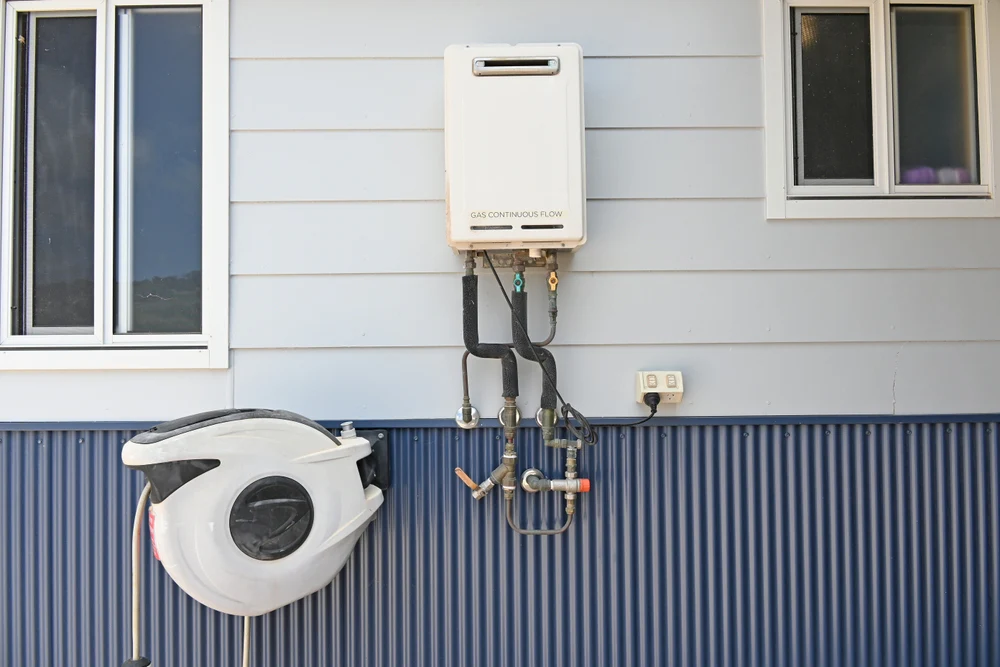
A tankless water heater heats water only when you need it. Unlike a traditional water heater that stores a large supply of hot water in a tank, a tankless system operates on demand. When a hot-water faucet, shower, or appliance is turned on, the unit quickly heats water as it flows through the system.
Because there is no storage tank, tankless water heaters do not spend energy keeping a reservoir of water hot throughout the day. Instead, they produce hot water as it is needed. This design is one reason many homeowners consider tankless systems when exploring replacement options.
Tankless water heaters are available in both natural gas and electric models. The right choice depends on factors such as home infrastructure, household hot-water demands, and installation requirements.
One of the most recognized features of a properly sized tankless system is its ability to provide a continuous supply of hot water. Rather than waiting for a tank to refill and reheat, homeowners can access hot water on demand within the system’s operating capacity.
Traditional and tankless water heaters both serve the same purpose, but they do so in different ways. Traditional systems rely on stored hot water, while tankless units focus on heating water only when it is needed.
3. Benefits of Tankless Water Heaters for Seattle Homeowners
The growing interest in tankless water heaters comes down to one simple question: what do homeowners gain in return for the higher upfront investment? For many Seattle households, the answer involves a combination of comfort, efficiency, and long-term value.
One of the biggest advantages is continuous hot water. Because tankless systems heat water on demand rather than relying on a stored supply, they can provide hot water as needed within their operating capacity. This can be especially appealing for larger families, households with multiple bathrooms, or busy mornings when several people need hot water at the same time.
Energy efficiency is another commonly cited benefit. Traditional water heaters continuously maintain a tank of heated water, even when nobody is using it. Tankless systems eliminate much of that standby energy use by heating water only when it is needed. Depending on usage patterns and the specific equipment installed, this may contribute to lower overall energy consumption.
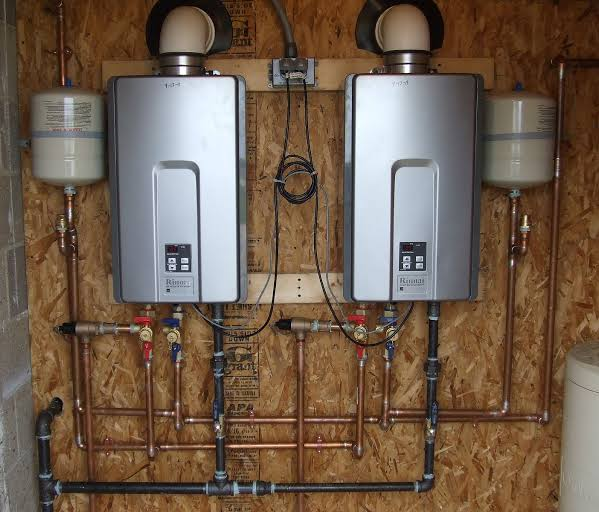
Space savings are often overlooked until homeowners see the difference firsthand. Most tankless units are compact and wall-mounted, freeing up valuable room in utility closets, garages, and mechanical spaces.
Many tankless water heaters also offer a longer potential service life than conventional tank systems when properly maintained. Regular flushing and routine servicing remain important, but homeowners often appreciate the prospect of extended equipment longevity.
Another advantage is the reduced risk associated with large storage tank failures. Since there is no tank storing dozens of gallons of water, homeowners avoid one of the common sources of water-heater-related leaks and water damage.
Finally, tankless water heaters are frequently viewed as a modern home upgrade. Buyers increasingly recognize energy-conscious features and updated mechanical systems when evaluating properties. While no improvement guarantees added value, a tankless system is often seen as a practical, forward-looking investment.
Taken together, these benefits explain why many Seattle homeowners consider tankless water heaters when planning a replacement or long-term home improvement project.
4. What Are the Drawbacks of Tankless Water Heaters?
While tankless water heaters offer several advantages, they are not the right solution for every home.
The most noticeable consideration is the higher initial installation cost. Tankless systems typically require a larger upfront investment than traditional tank water heaters. The cost includes both the equipment itself and the labor required for installation.
In some homes, additional upgrades may also be necessary. Depending on the existing setup, a tankless installation could require venting modifications, gas line upgrades, or electrical improvements. These retrofit requirements vary from property to property and can influence the overall project cost.
Flow rate limitations are another factor to consider. Although tankless systems provide hot water on demand, they still have a maximum output capacity. If several showers, appliances, and fixtures are running simultaneously, performance may depend on whether the unit has been properly sized for the household’s needs.
Maintenance remains important as well. Tankless water heaters typically benefit from periodic flushing and routine servicing to help maintain efficiency and support long-term performance.
Some homeowners also experience a brief learning curve after switching from a traditional tank system. The way hot water is delivered can feel slightly different, and expectations may need to be adjusted during the transition.
These considerations do not automatically make tankless water heaters a poor choice. Instead, they are factors that should be weighed alongside the potential benefits. The best decision depends on your home’s infrastructure, budget, hot-water demands, and long-term goals.
Not sure whether tankless or traditional is the better fit? Contact Cloud 9 Heating & Air for personalized recommendations.
5. Are Tankless Water Heaters a Good Fit for Seattle Homes?
Whether a tankless water heater is the right choice depends on more than the equipment itself. Household hot-water usage, long-term plans, budget, and existing home infrastructure all play a role in determining whether the investment makes sense.
Homes with larger families often benefit from tankless technology because of the increased demand for hot water throughout the day. Households that regularly run multiple showers, dishwashers, washing machines, and other hot-water appliances may appreciate the convenience of on-demand heating. Tankless systems can also appeal to homeowners who plan to stay in their homes for many years and want to prioritize long-term efficiency and modern equipment upgrades.
Energy-conscious homeowners are another group frequently interested in tankless systems. Seattle’s ongoing focus on sustainability, energy efficiency, and environmentally responsible home improvements has encouraged many residents to explore alternatives to traditional water heating methods.
That said, tankless systems are not always the best fit. For homeowners facing a budget-sensitive replacement, a traditional tank water heater may offer a lower upfront cost. Smaller households with modest hot-water needs may not experience enough day-to-day benefits to justify the additional investment. In some cases, older homes may require substantial infrastructure upgrades before a tankless unit can be installed, which can further affect project costs.
Ultimately, there is no universal answer. The best water heater is the one that aligns with your home’s setup, your family’s usage patterns, and your long-term goals as a homeowner.
6. Tankless vs Traditional Water Heaters: Side-by-Side Comparison
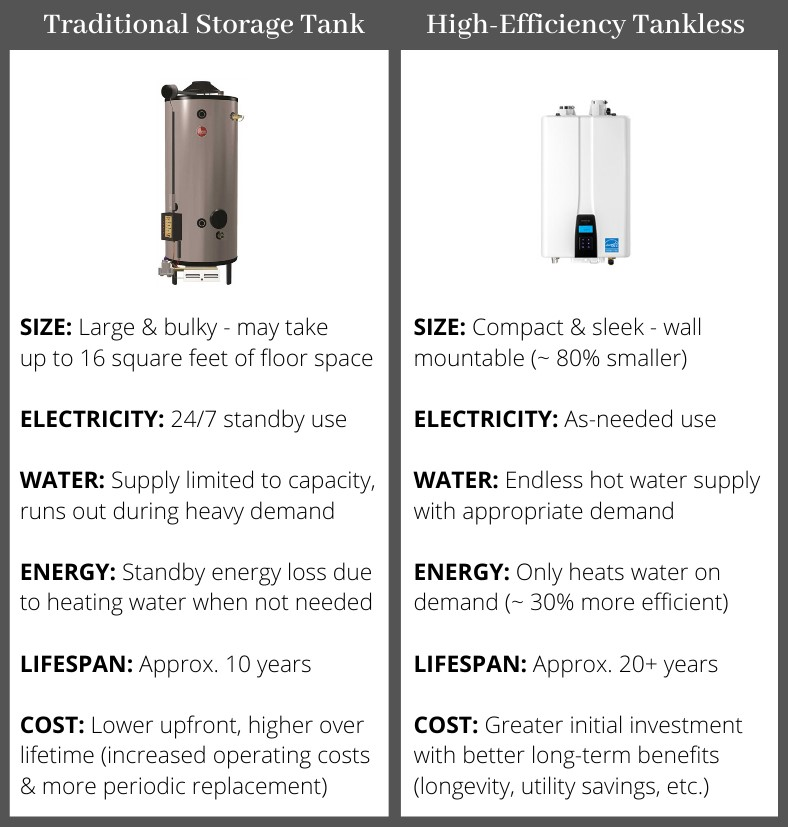
When comparing tankless and traditional water heaters, there is no one-size-fits-all answer. Each option offers different advantages depending on your home’s needs, budget, and long-term plans.
| Factor | Tankless Water Heater | Traditional Tank Water Heater |
| Initial Cost | Typically higher equipment and installation costs | Generally lower upfront investment |
| Energy Efficiency | Heats water on demand and reduces standby energy use | Uses energy to maintain stored hot water |
| Hot Water Availability | Continuous hot water within the system’s capacity | Limited by tank size and recovery rate |
| Space Requirements | Compact, wall-mounted design | Requires space for a storage tank |
| Maintenance Needs | Periodic flushing and routine servicing recommended | Regular maintenance also required, but procedures differ |
| Expected Lifespan | Often longer when properly maintained | Typically shorter than many tankless systems |
| Long-Term Ownership | May appeal to homeowners planning to stay long term | Often attractive for lower-cost replacement projects |
For many Seattle homeowners, the decision comes down to balancing upfront costs against long-term goals. Tankless systems often appeal to those prioritizing efficiency, space savings, and extended service life, while traditional tanks remain a practical solution for households seeking a lower initial investment.
7. How to Know When It’s Time to Replace Your Water Heater
Most water heaters give homeowners warning signs before they stop working completely. Recognizing those signs early can provide more time to evaluate replacement options and avoid the stress of an unexpected breakdown.
One of the most common indicators is inconsistent hot water. If temperatures fluctuate, hot water runs out more quickly than it used to, or recovery times seem longer, your system may be struggling to keep up with demand. Rising energy bills can also point to declining efficiency, especially as equipment ages.
Frequent repairs are another signal worth paying attention to. While occasional maintenance is normal, repeated service calls often indicate that a system is approaching the end of its useful life. Visible leaks, corrosion, rust, or moisture around the unit should also be investigated promptly.
Age matters as well. Older water heaters are generally more prone to performance issues and unexpected failures. In some households, growing families or changing usage patterns can also reveal that the existing system no longer provides enough hot water capacity.
Planning a replacement before a complete failure occurs often gives homeowners more flexibility. Instead of making a rushed decision during an emergency, you can compare equipment options, evaluate costs, and choose a system that best fits your needs.
8. Frequently Asked Questions
Are tankless water heaters worth the cost in Seattle?
For many homeowners, they can be. The value depends on factors such as household hot-water usage, installation requirements, energy goals, and how long you plan to remain in the home.
How long do tankless water heaters typically last?
With proper maintenance, tankless water heaters often have a longer service life than many traditional tank systems. Actual lifespan varies based on equipment quality, usage patterns, and maintenance practices.
Can a tankless water heater supply hot water to an entire home?
Yes, when properly sized. The system should be selected based on the household’s peak hot-water demand and the number of fixtures that may be used simultaneously.
Do tankless water heaters lower utility bills?
They may reduce energy consumption in some homes by eliminating standby heat loss. However, results vary depending on usage habits, utility rates, and the specific equipment installed.
Are gas or electric tankless water heaters better?
Neither option is universally better. The right choice depends on your home’s infrastructure, hot-water needs, installation requirements, and long-term operating preferences.
How often should a tankless water heater be serviced?
Most manufacturers recommend periodic maintenance, including flushing and inspections. Service frequency can vary based on water quality, usage, and manufacturer recommendations.
9. Conclusion
Tankless water heaters offer meaningful advantages for many homeowners, particularly those looking for continuous hot water, improved energy efficiency, space-saving design, and long-term equipment longevity. These benefits have helped make tankless systems an increasingly popular option throughout the Seattle area.
At the same time, every home is different. Household hot-water usage, existing infrastructure, budget considerations, and long-term homeownership plans all play a role in determining whether a tankless system is the right investment. What works well for one family may not be the ideal solution for another.
Rather than focusing solely on upfront installation costs, it is often helpful to evaluate the bigger picture, including comfort, efficiency, maintenance requirements, and long-term value.
Contact Cloud 9 Heating & Air today to discuss your water heater replacement options and determine whether a tankless system is the right investment for your Seattle home.
HVAC & Plumbing Disclaimer
This article is intended for informational purposes only. Water heater performance, energy efficiency, installation requirements, operating costs, and equipment lifespan vary based on household usage, utility rates, maintenance practices, and property conditions. Consult a licensed HVAC or plumbing professional for recommendations specific to your home.