

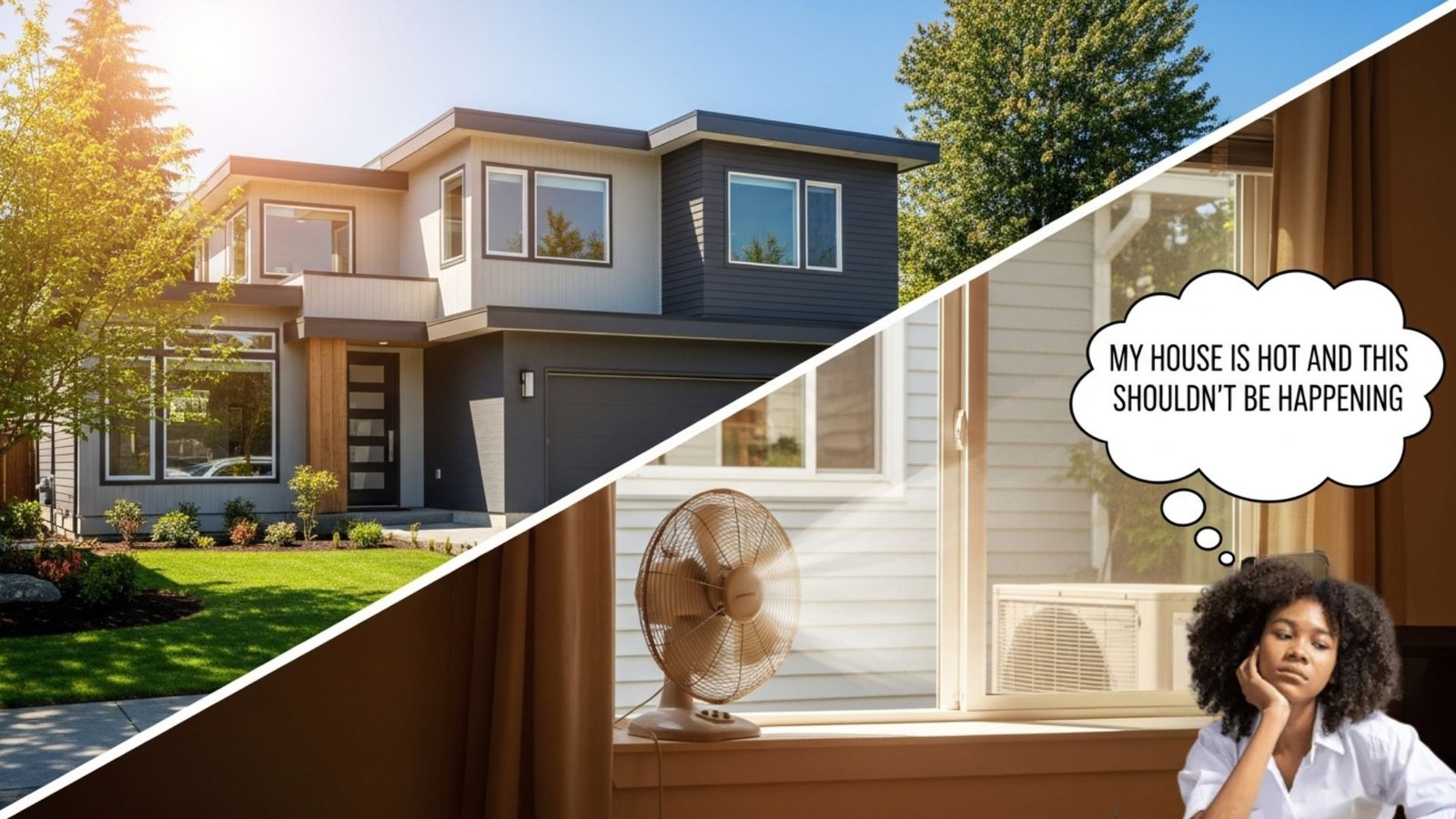
Seattle summers are hotter, and many homeowners discover their AC can’t keep up.
The problem usually starts in spring, not during the heat. Pollen, debris, and aging systems quietly reduce performance. The fix is simple: catch issues early before summer demand spikes.
This guide breaks down the most common reasons AC systems fail in Seattle homes, what you can safely check yourself, and when it’s smarter to call Cloud9 Heat & Air before summer really arrives.
AC Not Cooling in Seattle? Start With This Simple Troubleshooting Guide
Before diving into specific problems, it helps to slow things down and look at the system logically.
Almost every AC issue fits into one of three buckets: Power. Airflow. Cooling. That’s it.
Start with power. Is the system turning on at all? Does the thermostat light up? Do you hear the outdoor unit kick on? If there’s no power, nothing else matters yet.
Next, check airflow. If the system is running, put your hand near a vent. You should feel steady airflow. Weak airflow often points to filters, blocked vents, or blower issues, very common in spring after months of light use.
Finally, ask the big question. Is it actually cooling?
Plenty of systems “run” without cooling properly. Warm air, inconsistent temperatures, ice on the refrigerant lines, or a unit that never shuts off are all signs that the cooling side of the system is struggling.
This quick diagnostic path keeps you from guessing or chasing the wrong fix. It also helps you know when to stop. Because once you move past filters, breakers, and basic inspections, AC repairs get technical fast.
5 Quick Fixes to Try If AC Running but Not Cooling Before Calling a Pro
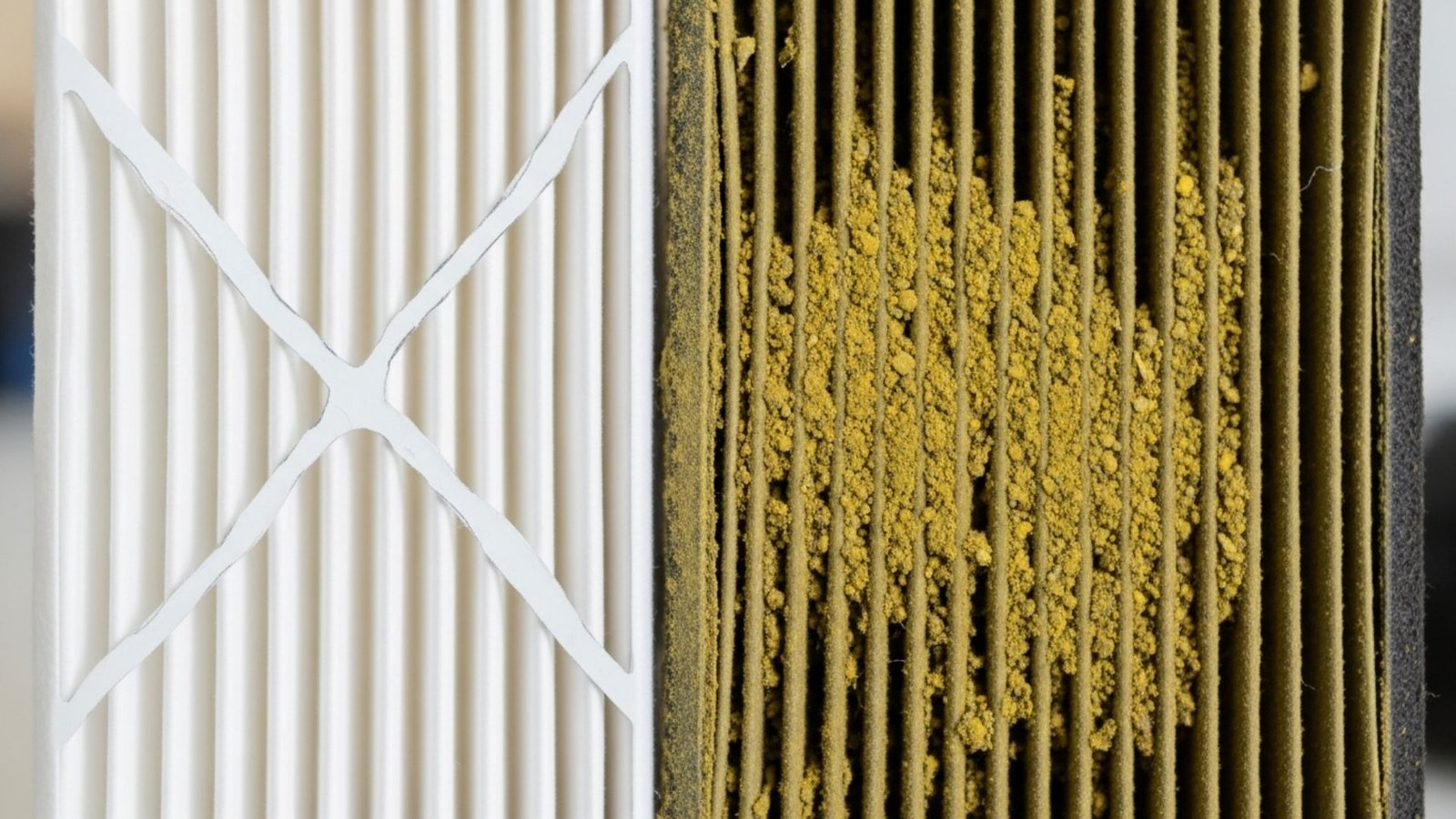
Before assuming the worst, there are a few simple things worth checking. These fixes solve a surprising number of spring AC calls in Seattle.
- Check Your Thermostat Settings
Seattle’s mild climate makes this more common than people like to admit. The thermostat is set to “heat” or “fan” instead of “cool.” Or the schedule was never updated after winter.
Double-check the mode. Lower the temperature by a few degrees below the room temperature. And if your thermostat uses batteries, replace them. Weak batteries can cause erratic behavior that looks like a system problem.
- Replace or Clean Your Air Filter
Spring in the Pacific Northwest comes with pollen. Lots of it. Is that yellow dust coating cars? It’s in your filter too.
A dirty filter restricts airflow and can even cause coils to freeze. In Seattle homes, filters often need replacement every 1–3 months during spring and summer, depending on pets and allergies.
If you can’t see light through it, it’s time.
- Inspect Your Circuit Breaker
Older Seattle homes are especially prone to this. Check the breaker labeled AC, condenser, or HVAC. If it’s tripped, reset it once.
If it trips again, stop. Repeated tripping usually means an electrical or component issue that needs professional attention.
- Clear Debris Around Your Outdoor Unit
Trees, shrubs, leaves, and marine debris love to collect around outdoor units. The condenser needs breathing room.
Clear at least two feet of space around it. Turn the power off first. Never spray directly into the unit aggressively; gentle cleaning only.
Still not cooling after these checks? Keep reading or call Cloud9 Heat & Air for same-day service before summer schedules fill up.
5 Common AC Problems in Seattle Homes That Require Professional Repair
- Low Refrigerant or Refrigerant Leaks
If your AC runs but doesn’t cool, refrigerant is often the culprit.
Signs include warm air, ice on refrigerant lines, and longer run times. Refrigerant doesn’t “run out” naturally. Low levels usually mean a leak.
DIY fixes aren’t just unsafe, they’re illegal. Seattle building codes require licensed handling, and leaks need proper detection and repair.
Typical repair range varies depending on the leak location, but transparency matters here. Expect several hundred dollars, sometimes more if repairs are extensive. It’s also better for the environment to fix leaks correctly, not just top off refrigerant.
- Frozen Evaporator Coils
Seattle’s marine air brings humidity that many systems weren’t originally designed for.
Frozen coils choke airflow and stop cooling entirely. You might notice ice buildup or water pooling near the unit once it thaws.
If this happens, turn the system off immediately and let it thaw. Then call a professional. Frozen coils usually signal airflow problems, refrigerant issues, or both.
- Failed Capacitor or Electrical Components
Capacitors help your AC start and run smoothly. When they fail, the system may click, struggle to start, or shut down randomly.
Power fluctuations and older electrical systems make this common in Seattle neighborhoods.
These parts are inexpensive compared to the damage they can cause if ignored, but diagnosis and replacement should be handled by a professional.
- Compressor Failure (Common in Older Systems)
The compressor is the heart of the AC system. When it fails, cooling stops.
If your system is 10–15 years old and experiencing compressor issues, replacement often makes more sense than repair. Costs climb quickly, and newer systems are far more efficient.
This is where a repair-versus-replacement conversation matters.
- Ductwork Problems in Older Seattle Homes
Homes built before the 1990s often have leaky, poorly insulated ductwork, especially in attics and crawl spaces.
Signs include uneven cooling, high energy bills, and rooms that never feel comfortable. Fixing ducts can dramatically improve performance and efficiency.
Undersized AC Systems
Seattle’s climate has changed. Homes have changed, too.
Remodels, additions, and finishing basements often outgrow the original system. If your AC runs constantly but never catches up, it may simply be too small.
Sometimes the fix isn’t a repair. It’s properly sized.
Spring AC Maintenance in Seattle: Prevent Breakdowns Before Summer
April and May are ideal for AC maintenance. Before heat waves. Before emergency calls.
Homeowners can handle filters, vents, and outdoor unit clearance. But refrigerant levels, electrical health, airflow balance, and coil condition need professional inspection.
This is where small issues get caught early.
Professional Maintenance Benefits
Cloud9’ Heat & Air seasonal tune-ups go beyond surface checks. We inspect performance, clean critical components, and flag parts nearing failure.
Well-maintained systems last longer, cool better, and use less energy, especially important in Seattle’s damp, coastal climate.
Is It Time to Replace Your AC? Signs Seattle Homeowners Shouldn’t Ignore
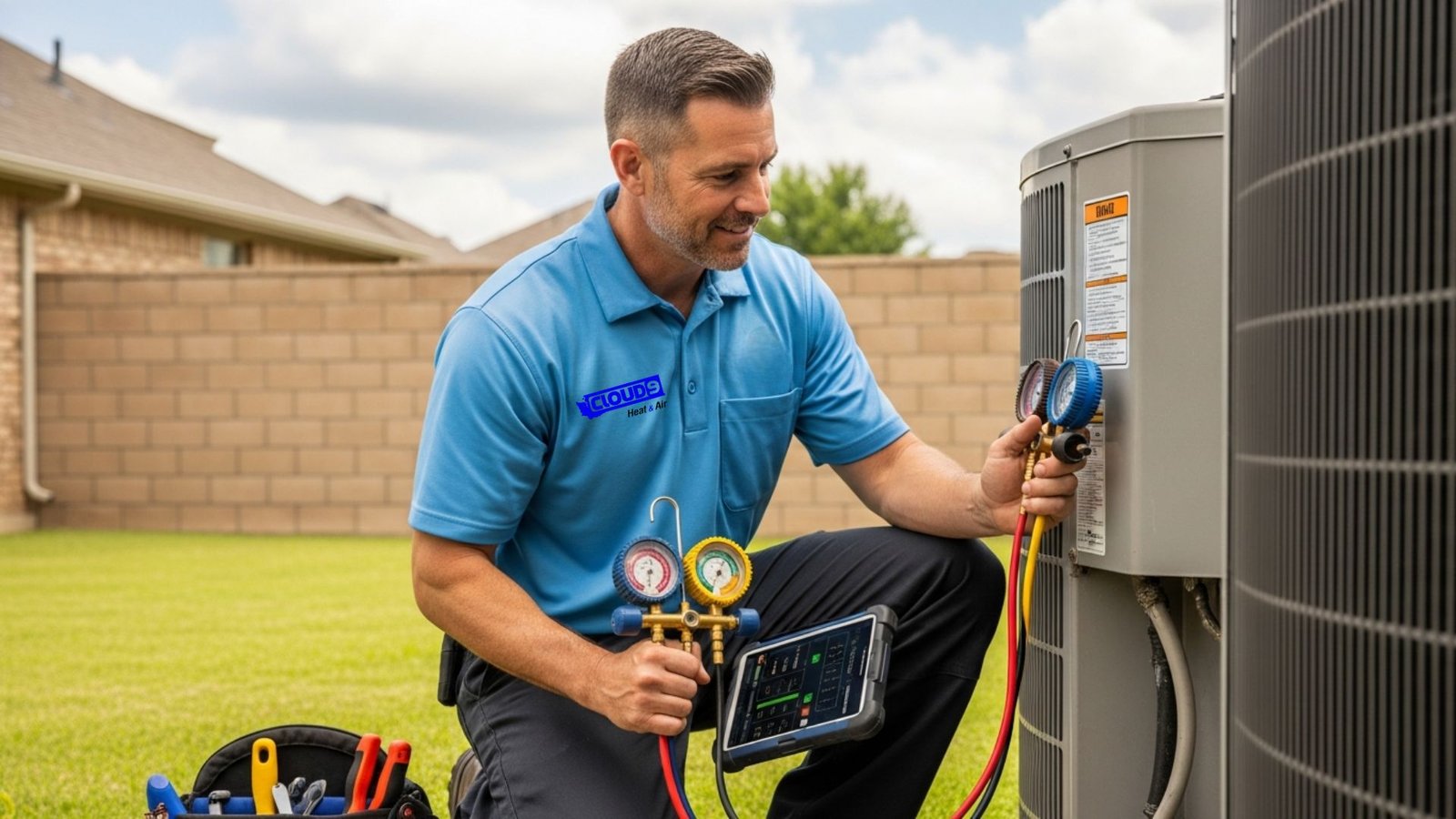
Here’s the sign you shouldn’t ignore…
The Replacement Decision Factors
If your system is over 10–15 years old, needs frequent repairs, or still uses R-22 refrigerant, replacement deserves serious consideration.
A good rule of thumb? If repairs are creeping past $500 regularly, you’re throwing money at a system that’s already on borrowed time.
Inconsistent cooling, rising energy bills, and struggling during moderate heat are all warning signs, especially in multi-level Seattle homes.
Modern AC Benefits
New systems are quieter, more efficient, and better at managing humidity. Higher SEER ratings mean lower energy bills without overcomplicating things.
Smart thermostat integration helps manage uneven temperatures. Proper sizing ensures comfort even as summers get warmer.
Cloud9 Heat & Air’s Installation Process
We start with a free home assessment. We look at layout, insulation, ductwork, and real cooling needs, not guesses.
Installations are typically completed quickly, with clear timelines, financing options, and strong warranties. And we don’t disappear after installation. Maintenance plans keep systems running right.
If your AC isn’t cooling properly, spring is the best time to fix or replace it in Seattle.
If your AC isn’t cooling, don’t wait for the next heat wave to find out how bad the problem really is. Try the quick fixes. Know when to stop. And handle issues now, when scheduling is easier, and options are better.
Here, spring is the smart season for AC service.
Why Cloud9 Heat & Air?
- Same-day service when available.
- Local crews who know Seattle homes.
- Licensed, bonded, insured, and trusted across neighborhoods from Ballard to Bellevue.
So, schedule your free AC Diagnostic session (limited spring availability) and get a free quote on AC Installation.