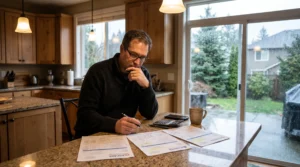


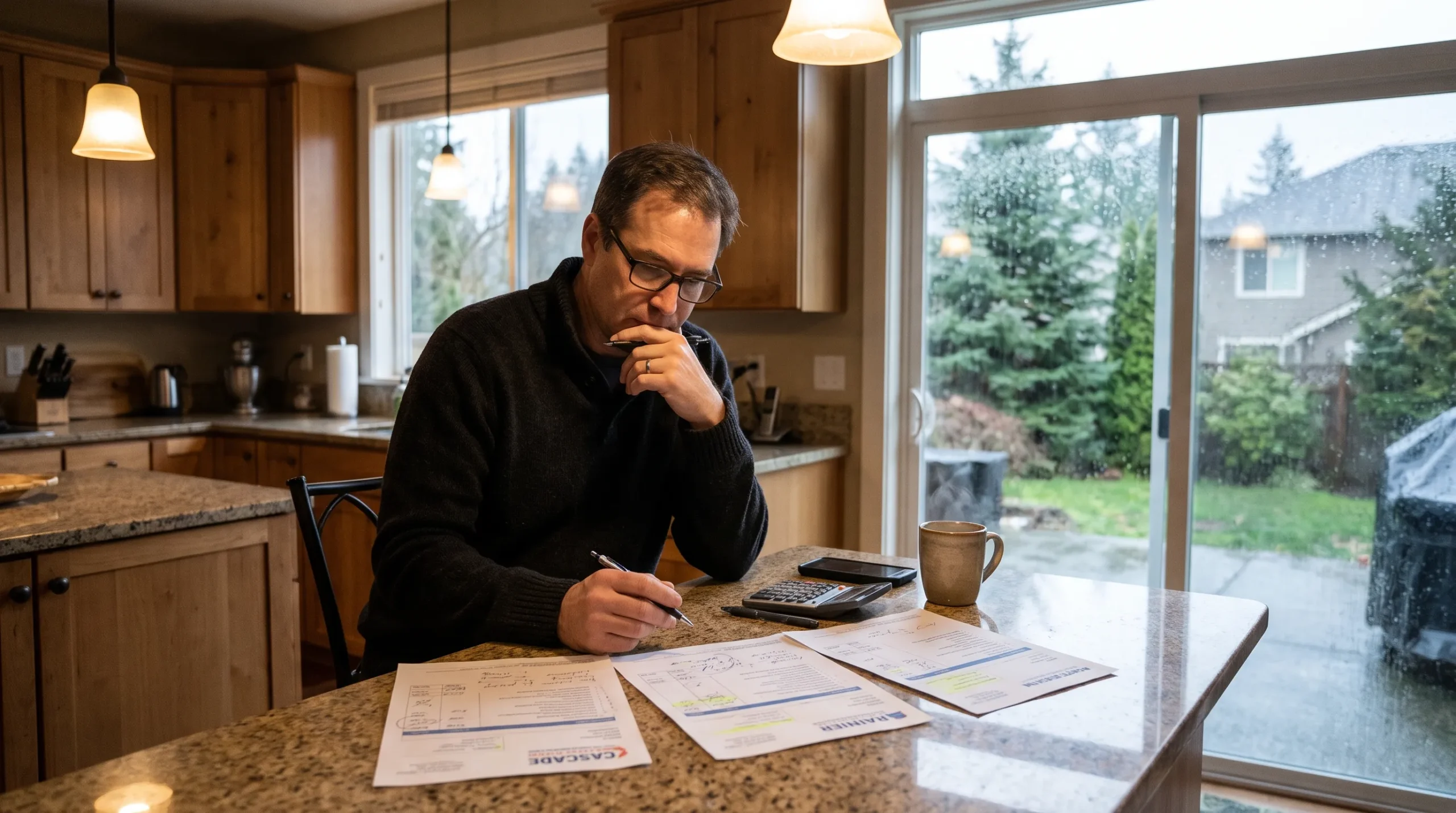
You’ve got three furnace quotes on the kitchen counter, and they all look different. One says “single-stage”. One says “two-stage, variable-speed blower.” One says “modulating.” The prices aren’t close, and nobody really explained what the words mean.
This choice changes how your Bellevue home feels every winter day, not just what the furnace costs. Let me break it down in plain words so you can pick the one that actually fits your house.
What “Stages” Actually Mean on a Gas Furnace
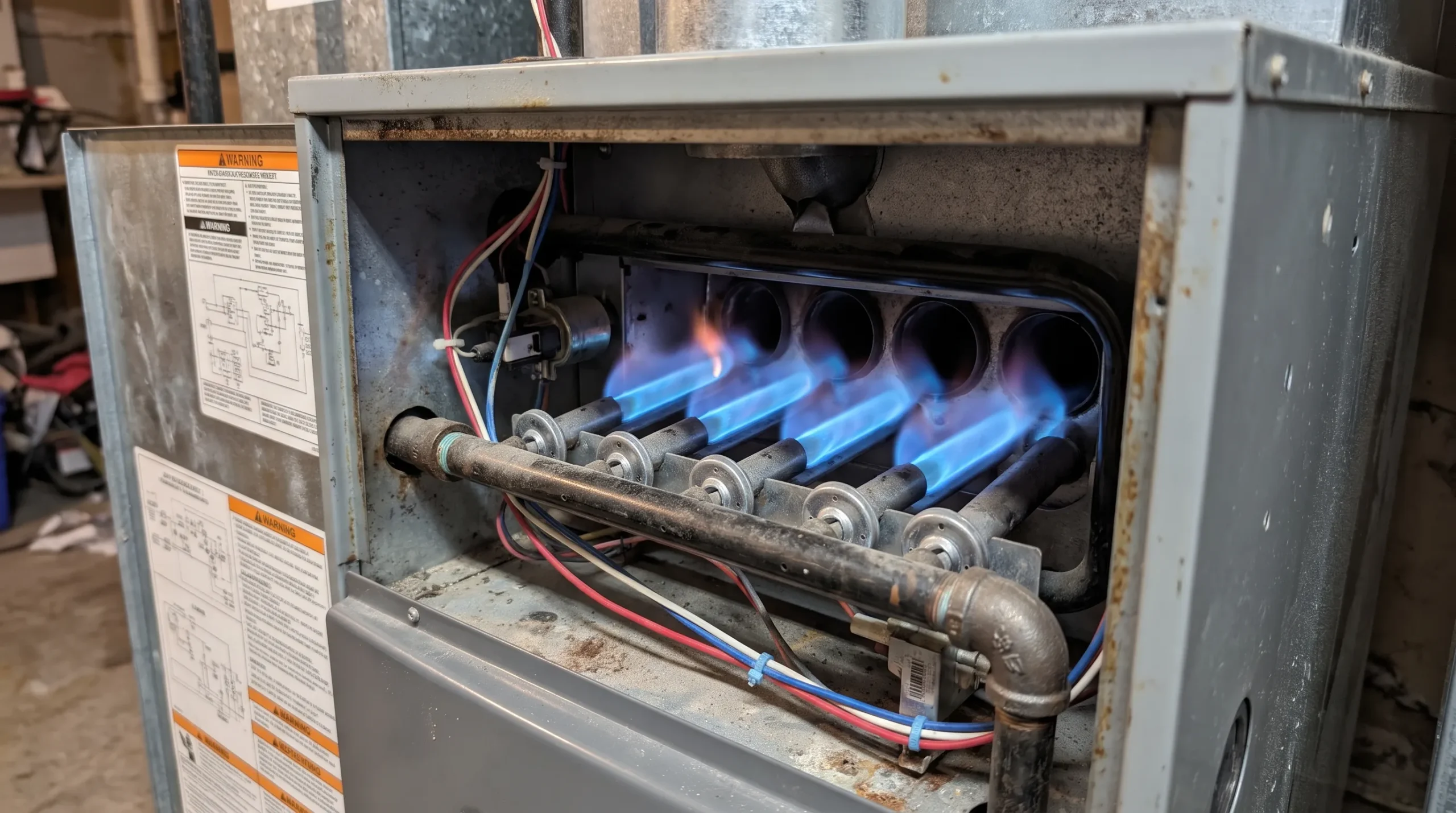
The “stage” describes how the furnace controls its flame. Think of it like the burner on a stove.
Single-Stage: On or Off, Nothing in Between
A single-stage furnace has one setting: full blast. When the thermostat calls for heat, the burner goes to 100 percent until the house warms up, then shuts off completely.
It’s simple, it’s reliable, and it costs less up front. The downside is how it feels. You get bursts of hot air, then nothing, then bursts again. Rooms near the furnace can run warm while rooms at the far end lag behind. And full blast is often more heat than a Bellevue home needs on a typical 45°F day.
Two-Stage: A Low Setting for Most Days
A two-stage furnace has a low setting, often somewhere around two-thirds of full output, and a high setting. On most winter days it runs on low for longer, gentler cycles. It only goes to high when it’s really cold or when you bump the thermostat up a few degrees.
That longer, lower run is the big comfort upgrade. The air keeps moving, temperatures stay more even from room to room, and the furnace is quieter because it isn’t roaring on and off.
Modulating: Fine Adjustments, Like a Dimmer
A modulating furnace adjusts its flame in small steps across a wide range. Instead of low and high, it can run at whatever level matches the heat your home is losing at that moment. It’s the smoothest, quietest option and holds the temperature very steady.
It’s also the most expensive and the most complex. For some homes it’s worth every penny. For others, a two-stage unit gets you most of the benefit for less.
The Blower Matters Too
Separate from the burner, there’s the blower that pushes air through your ducts. A variable-speed blower can ramp up and down slowly instead of switching on at full speed. Paired with a two-stage or modulating burner, it’s what makes those long, quiet cycles possible. When you compare quotes, check both: the burner type and the blower type.
Which Furnace Fits Your Bellevue Home?
There isn’t one right answer. It depends on your house and how you use it.
When Single-Stage Makes Sense
If your home is smaller, fairly open and well insulated, a properly sized single-stage furnace can do a fine job. It also makes sense if you’re planning to sell in a few years, or if you’re on a tight budget and need a dependable system now. Honestly, a well-sized single-stage furnace beats an oversized two-stage furnace every time.
When Two-Stage Is the Sweet Spot
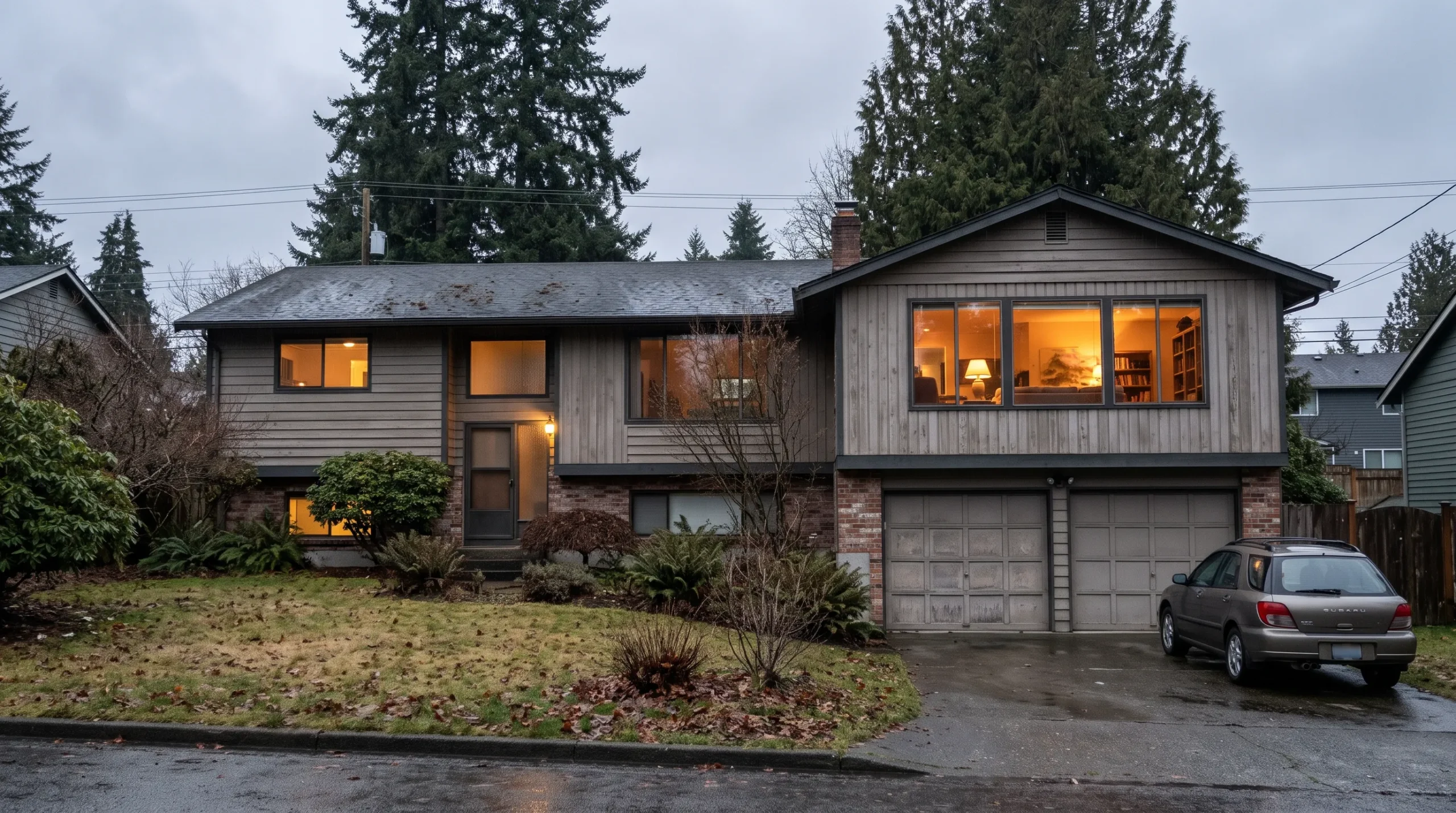
For a lot of Bellevue homes, two-stage hits the right balance. Think of the 1970s and 1980s split-levels and two-story homes in neighborhoods like Lake Hills, Newport Hills and Somerset. They often have long duct runs and a bonus room over the garage. Longer, lower cycles help push heat out to those far rooms, so the room at the end of the hall isn’t always a few degrees behind.
Our mild, damp winters help two-stage furnaces shine too. Most of our heating season sits in the 35°F to 50°F range, which means the furnace spends most of its life on low. That’s exactly where two-stage equipment is happiest.
When Modulating Is Worth It
Larger homes, homes with zoning, people who are sensitive to temperature swings and anyone who really values quiet tend to love modulating furnaces. They’re also a good match for homes where comfort complaints have dragged on for years and the owner wants them gone for good.
Just know the extra comfort only shows up if the duct system can deliver it. A modulating furnace on leaky, undersized ducts won’t feel much different from a cheaper unit.
What You’ll Notice in the First Week
People switching from an old single-stage furnace to a two-stage or modulating one usually say the same things. The furnace runs longer than it used to, and at first that makes them think something’s wrong. It isn’t. Longer, quieter runs at low output are the whole point.
You’ll notice the air coming out of the vents feels warm rather than hot. You’ll stop hearing the furnace roar on and the ducts tick and pop as they heat up. And you’ll stop fiddling with the thermostat, because the house holds the number you set.
Maintenance and Repair Differences
More features mean more parts. Two-stage and modulating furnaces have more sophisticated gas valves, controls and blower motors than a basic single-stage unit. They’re reliable when they’re installed and maintained well, but repairs on those parts can cost more.
That’s not a reason to avoid them. It’s a reason to keep up with yearly maintenance and to register the equipment so the manufacturer’s parts warranty is in place. We handle that registration as part of the install.
What Makes Any Furnace Installation Work Well
The equipment matters, but the installation matters more. I’d say this to anyone shopping for a new furnace in Bellevue.
Sizing Is Still the First Decision
A furnace that’s too big short-cycles, wears out faster and leaves rooms uneven, no matter how many stages it has. The right size comes from a load calculation on your home as it is today, with your current windows, insulation and any additions. Copying the size off the old furnace’s label is how a lot of homes ended up oversized in the first place. If you’re curious what the full install process looks like, here’s what to expect during an HVAC installation in Seattle.
Thermostat and Setup
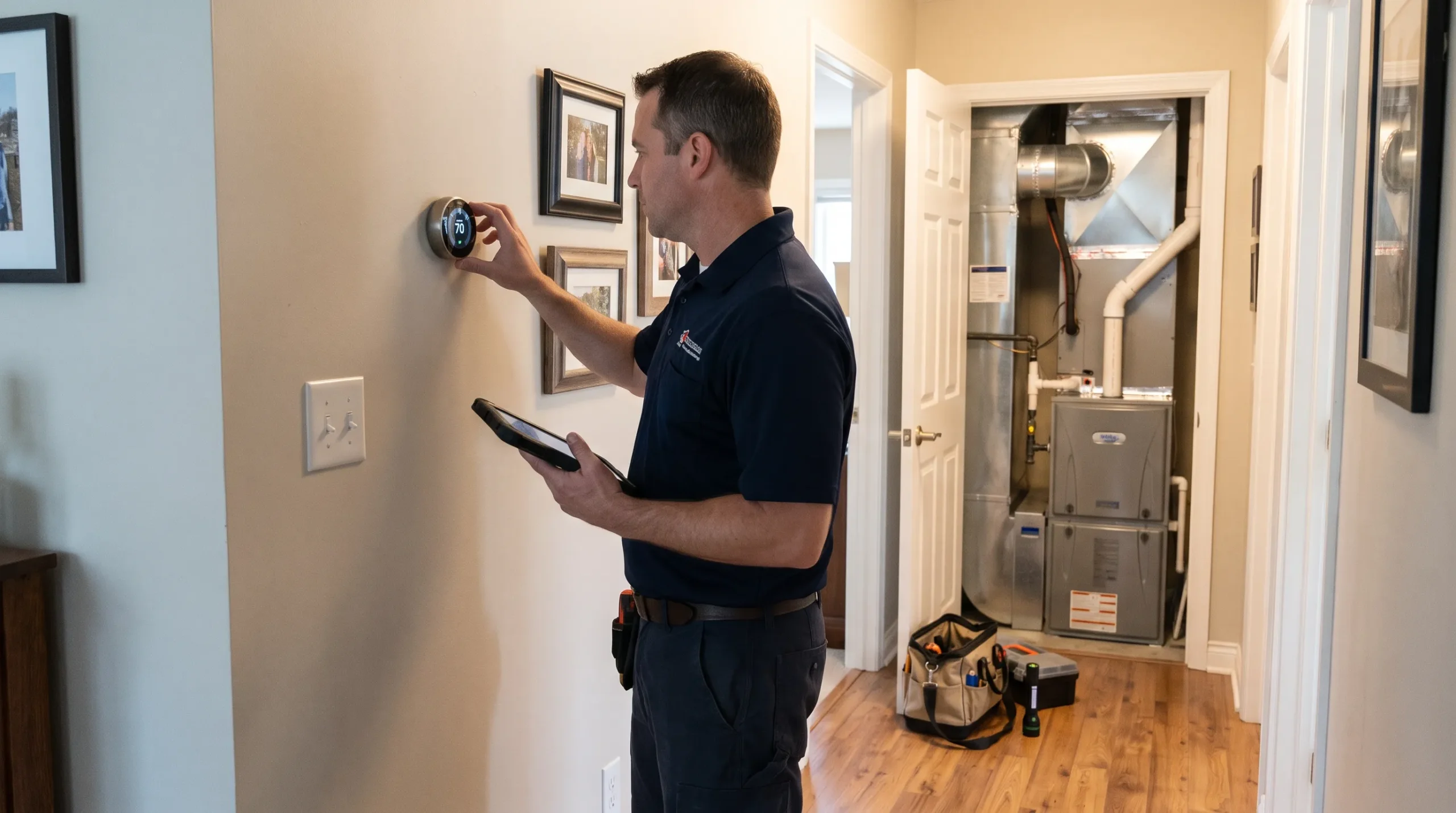
Two-stage and modulating furnaces need the right thermostat and the right settings to work as designed. A two-stage furnace wired to a basic single-stage thermostat may never use its low setting properly. We set up staging and blower speeds for your home rather than leaving the factory defaults.
Ducts and Airflow
Before recommending a furnace type, we check whether your ducts can carry the airflow it needs. Sometimes a modest fix, like sealing a leaky trunk line or adding a return in a far bedroom, does more for comfort than upgrading the furnace itself.
Questions to Ask When Comparing Quotes
Line the quotes up and ask the same things of each one. Is the furnace single-stage, two-stage or modulating? Is the blower variable-speed? What size is it, and was that size based on a load calculation or the old furnace label? Is a compatible thermostat included and set up for staging? Does the quote include the permit, venting changes and haul-away of the old unit? Who registers the warranty?
When every quote answers those questions, you can finally compare them fairly. The cheapest one is sometimes cheap because it’s a different furnace with a different blower and none of the setup.
You can see the systems we install on our furnace installation page. Our complete guide to HVAC installation costs in Seattle explains what pushes a quote up or down, and financing options can help if the furnace you want costs more than you planned.
The Right Furnace for Your Bellevue Home Is the One That Matches How You Live
Single-stage, two-stage and modulating furnaces all heat a house. The difference is how evenly, how quietly and how comfortably they do it. For many Bellevue homes with long duct runs and far-off bonus rooms, two-stage is the practical sweet spot. Modulating makes sense when comfort is the top priority and the ducts can support it. Single-stage still has its place when it’s sized right. Whatever you choose, sizing and setup decide how well it performs. Get those right and the label matters a lot less.
Comparing furnace options for your Bellevue home? Book a free in-home assessment or call 206-750-5042. We’ll size your home and show you side by side which furnace type fits.