

Here’s a complaint we hear more than any other after a tankless install in a bigger home: “I love the endless hot water. But why does it take forever to get to the upstairs shower?”
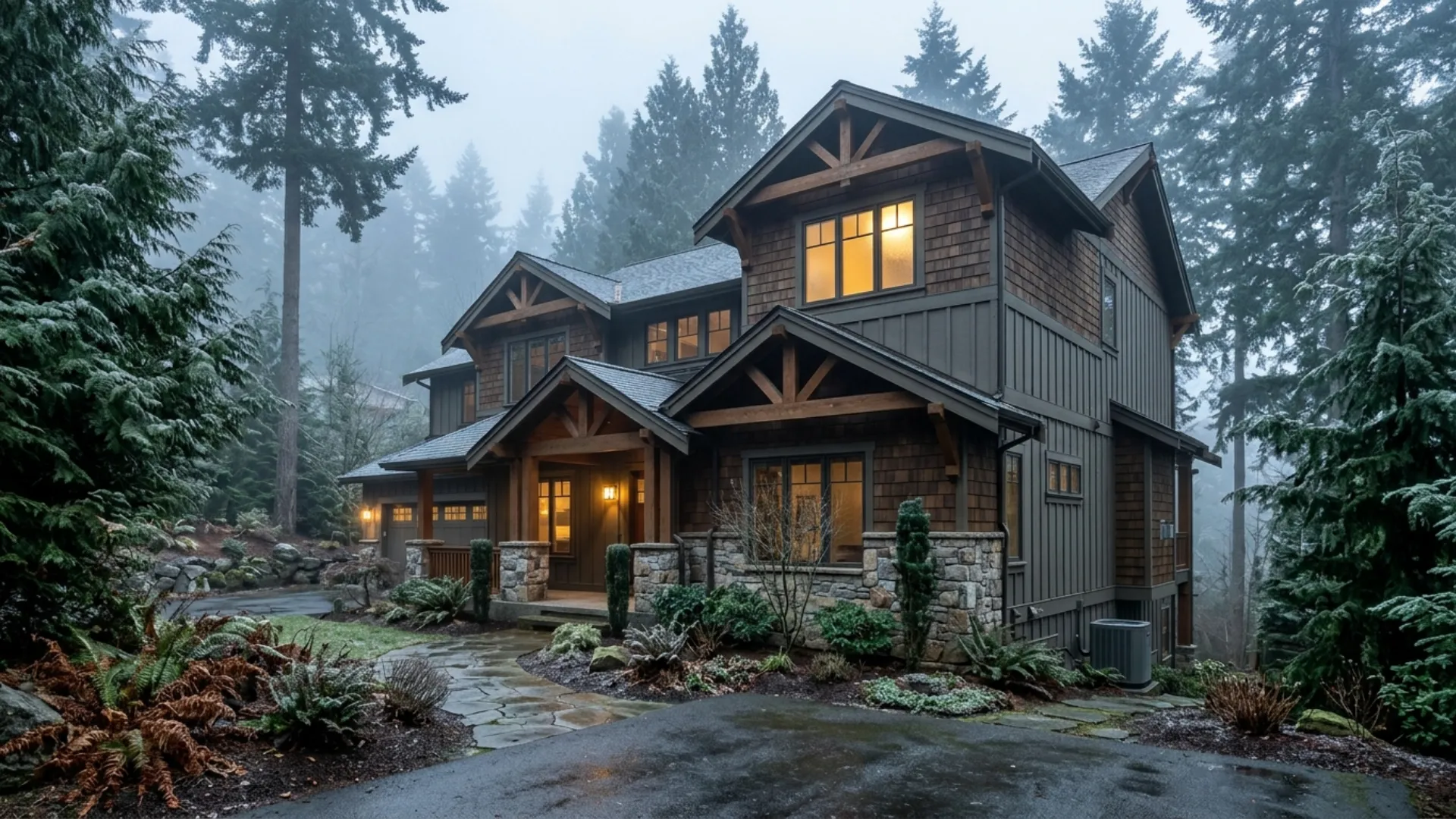
In a lot of Issaquah homes, especially the larger two and three-story houses in the Highlands, Talus and Sammamish Plateau areas, the water heater sits in the garage and the main bathroom is 60 feet of pipe away. Tankless doesn’t create that distance. But it can make it more noticeable. Here’s how to plan for it before the install, not after.
Why the Wait for Hot Water Can Feel Longer With Tankless
The wait itself comes from your plumbing, not your heater. But tankless changes the experience a bit.
The Wait Comes From the Pipe Between the Heater and the Tap
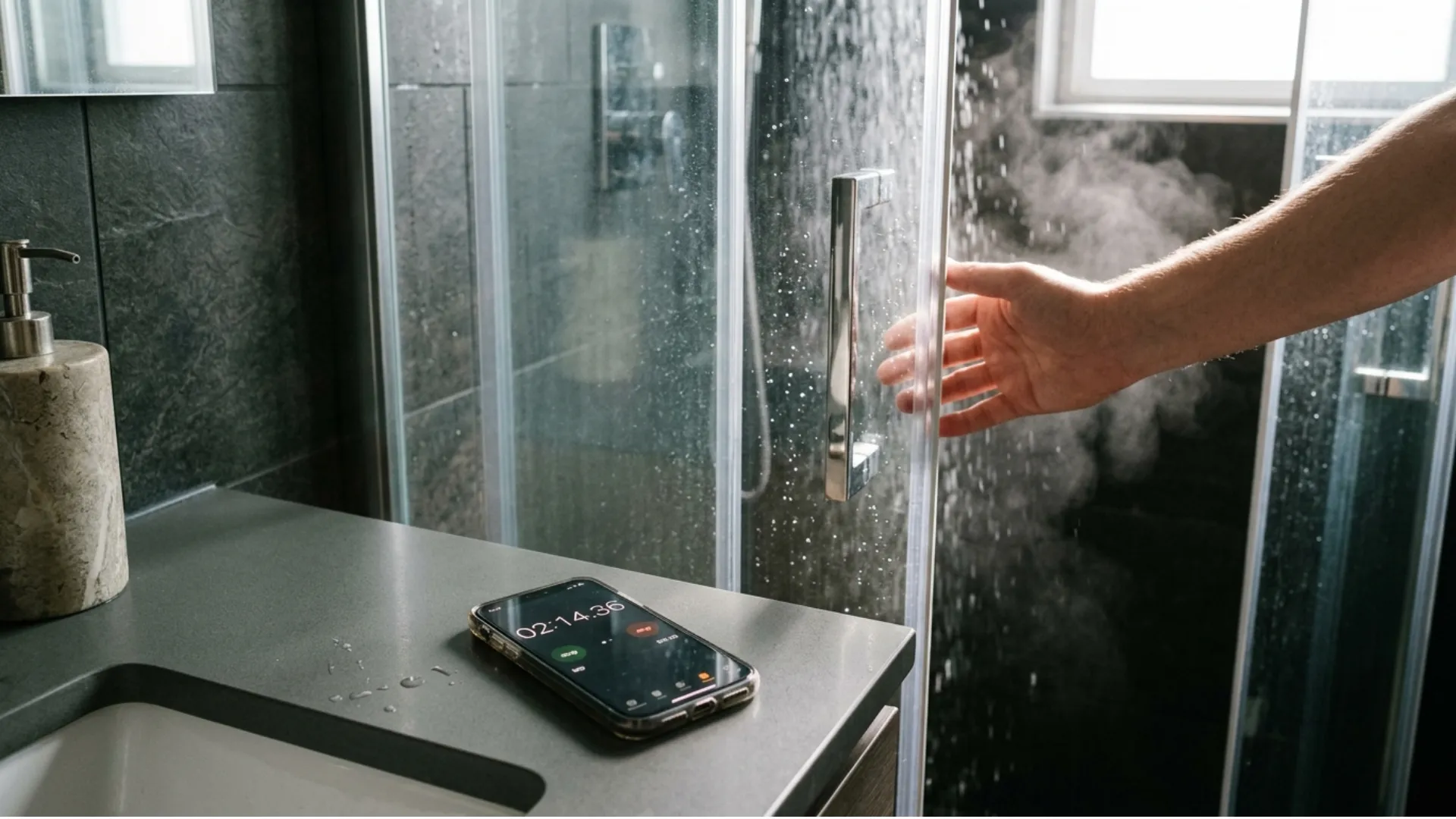
When you open a faucet, the cold water sitting in the pipe has to flow out before hot water reaches you. The longer the pipe, the more cold water you run first. In a big house with the heater in the garage, that can be a minute or more at the far bathroom.
A tank water heater has the same problem. The water in the pipe is just as cold either way.
Why Tankless Can Add a Few Seconds
A tankless heater doesn’t start heating until it senses water flowing. It takes a few seconds to fire up and reach temperature. That small delay adds onto the time it already takes to push cold water out of the pipe. So in a home where the far shower already took a while, it can feel noticeably slower.
The “Cold Water Sandwich”
There’s another quirk people notice. You shower, turn the water off for a minute, then turn it back on. You get a burst of hot water, then a short shot of cold, then hot again. That’s called the cold water sandwich.
The hot water still in the pipe comes out first. Then a little slug of water passes through the heater before it relights and reaches temperature. Then hot water arrives again. It’s normal for many tankless units, and it’s most noticeable in homes with long runs and frequent short uses, like families sharing a bathroom in the morning.
How Recirculation Solves It
The fix for both problems is a recirculation system. It keeps hot water close to the taps so it shows up fast.
Built-In Recirculation Tankless Units
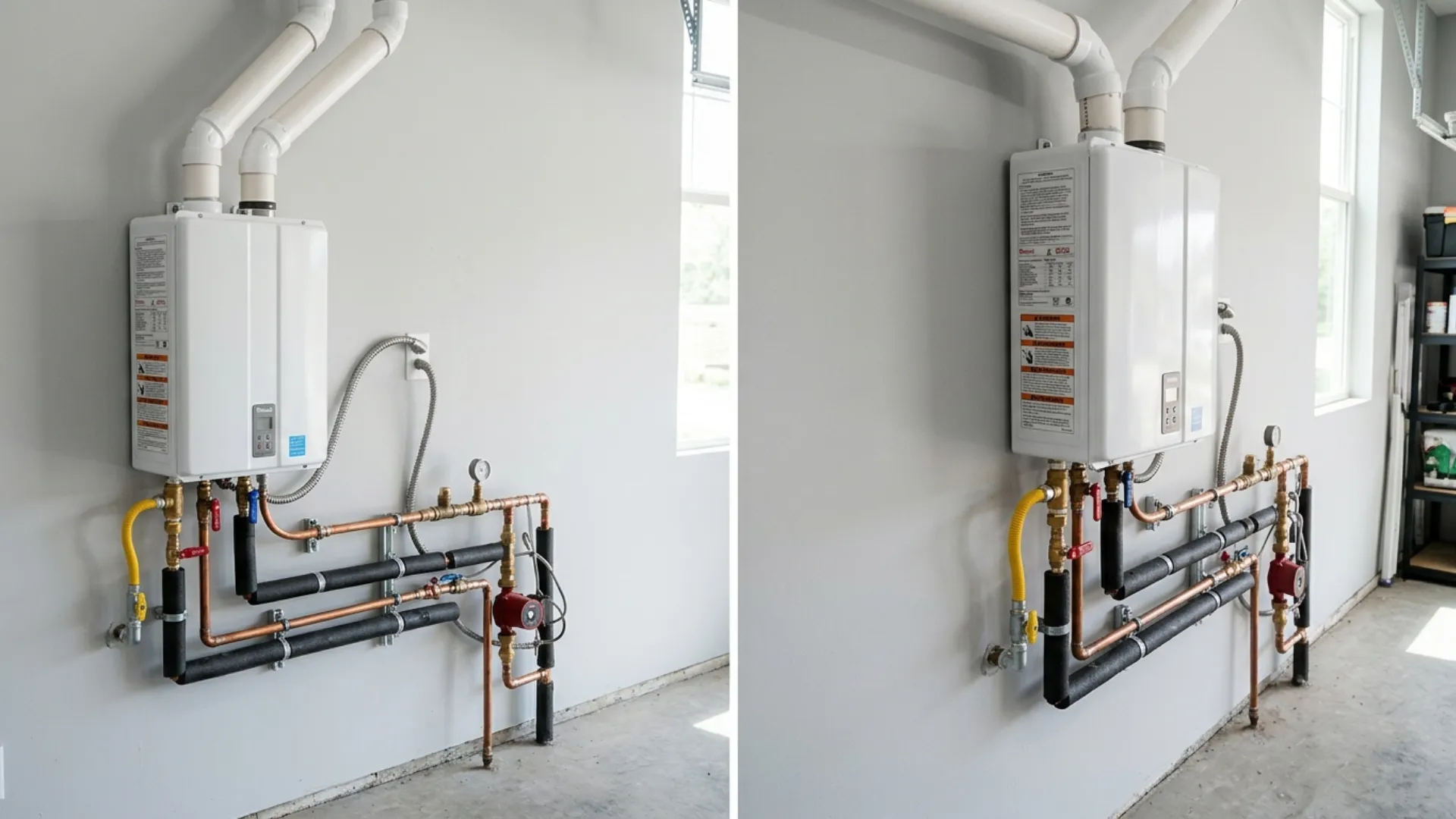
Some tankless water heaters come with a recirculation pump and controls built in. They’re designed to keep water moving through the heater and the hot water lines on a schedule or on demand. For a new install in a larger home, this is often the simplest path.
Dedicated Return Line vs. No Return Line
How recirculation works depends on your plumbing.
If your home already has a dedicated hot water return line, water can loop from the farthest fixture back to the heater. Many larger homes built in the 2000s and 2010s were plumbed with one. That’s the cleanest setup.
If your home doesn’t have a return line, there are systems that use the cold water line as the return, often with a small valve under the farthest sink. They work, but you may notice the cold tap at that sink runs slightly warm at first. It’s a trade-off worth knowing about.
Timers, Motion Sensors and On-Demand Buttons
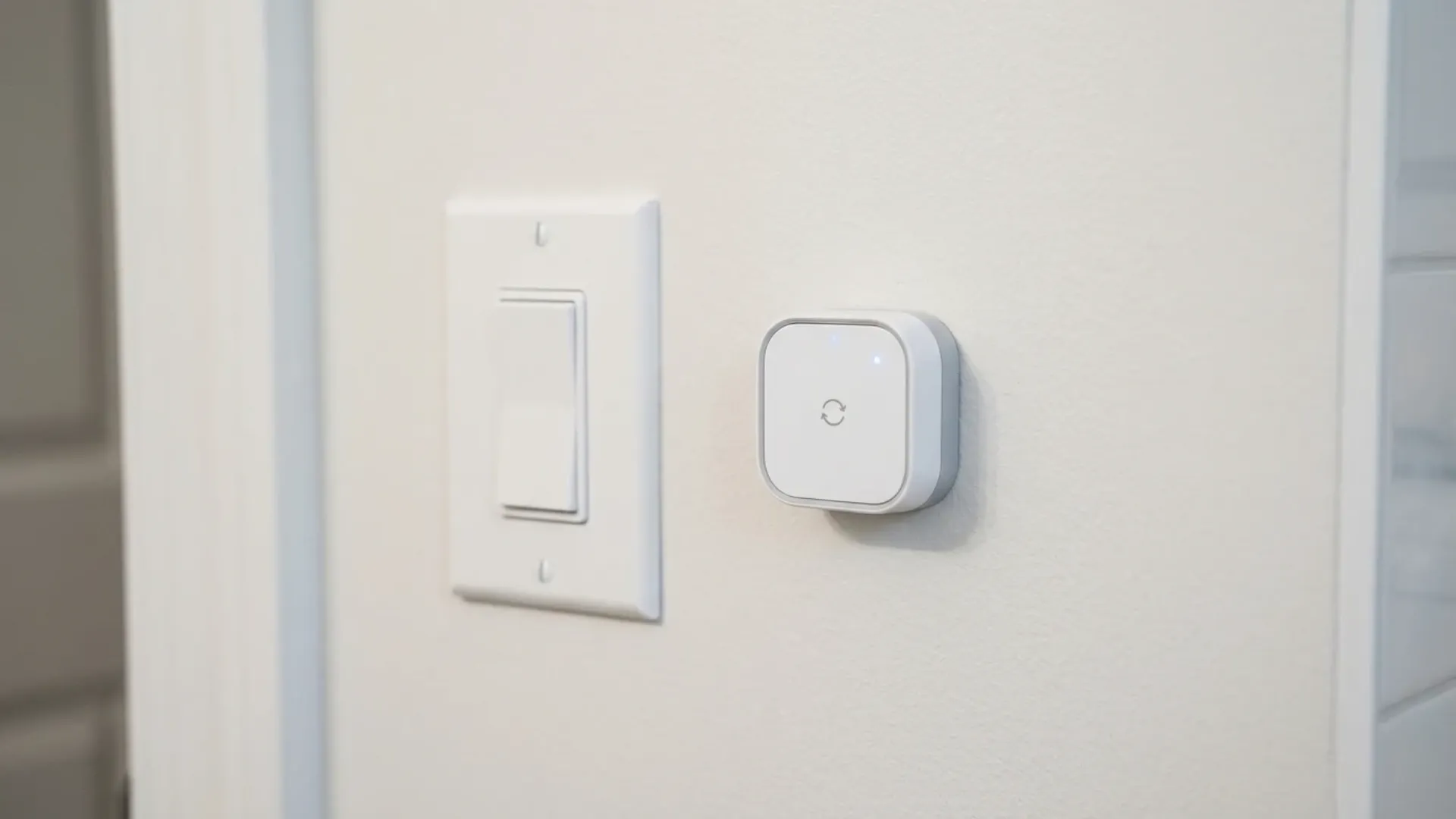
Running recirculation all day wastes energy and puts more run time on the heater. Better setups only run when you need hot water. A timer can match your morning and evening routines. An on-demand button or motion sensor in the bathroom can start the loop a minute before you shower. Many families find on-demand is the right balance: fast hot water without paying to keep pipes hot around the clock.
Insulate the Hot Water Lines
Recirculation works much better when the hot water pipes are insulated. Uninsulated pipes in a crawlspace, garage or exterior wall lose heat fast in our cold, damp winters, which means the system has to run more to keep water hot at the taps. Foam pipe insulation on reachable lines is inexpensive and makes a real difference. During a tankless install, we look at which runs can be insulated without opening walls.
What Recirculation Does to Your Energy Use
Recirculation does use some extra energy, because hot water sitting in pipes cools off and gets reheated. A system running all day can eat into the savings you hoped to get from going tankless. A system that runs only on demand uses far less. It also saves water, because you’re not running gallons down the drain waiting for the shower to warm up. For most families, an on-demand setup is the sensible middle ground.
Planning a Tankless Installation in a Larger Issaquah Home
Before installing, a few decisions shape how happy you’ll be with the result.
Size the Unit for Your Busiest Morning
A tankless heater is sized by how much hot water it can deliver at once. In winter, incoming water in our region is at its coldest, so the heater has to work harder to raise the temperature. Count the fixtures that run at the same time on your busiest morning, like two showers and a dishwasher, and size for that, not for an average day.
Check the Gas Supply and Vent Route
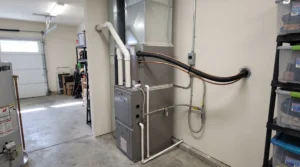
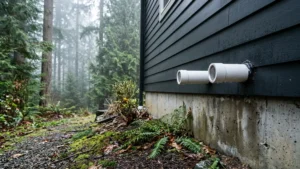
Tankless gas units draw a lot of gas when they fire, and many need a larger gas line than an old tank did. They also need a proper vent route and, for condensing models, a condensate drain. In Issaquah homes with HOA design rules, the vent termination location can matter too. Our tankless water heater installation page covers what we check before recommending a model.
Decide Where the Heater Should Live
In some homes, moving the heater closer to the main bathrooms shortens the wait more than any pump can. That isn’t always practical, but it’s worth asking during the assessment, especially in a remodel. A second, smaller point-of-use unit for a far bathroom is another option in some layouts.
Questions to Ask Before You Sign
Ask how the unit was sized and for which fixtures running at once. Ask whether recirculation is included, and if so, which type: built-in, dedicated return line or a crossover valve. Ask how the recirculation will be controlled, by timer, on-demand button or motion sensor. Ask whether the gas line needs upsizing, where the vent will exit and whether HOA approval is needed for that spot. And ask how often the unit should be flushed and whether that service is offered.
A quote that answers all of these is a quote for a system that will work the way you expect. A quote that just names a heater model leaves the important parts to chance.
If you’re still deciding whether tankless is right for your home at all, our post on whether tankless water heaters are worth it for Seattle homes covers the bigger picture. And if you already have an older tankless unit you’re thinking of upgrading, our tankless water heater replacement page is the right place to start. If the upfront cost is a concern, our financing options can help.
In a Larger Issaquah Home, Fast Hot Water Is a Plumbing Plan, Not Just a Heater
Tankless water heaters are great at one thing: making hot water for as long as you need it. They don’t shorten the pipe between the garage and your upstairs shower. In larger Issaquah homes, that’s where the frustration comes from, along with the occasional cold water sandwich. Plan for it at install time with the right size unit, a recirculation setup that matches your plumbing and controls that run only when you need them. Do that and you get what you were hoping for in the first place: hot water that shows up quickly and doesn’t run out.
Planning a tankless water heater installation in Issaquah? Book a free assessment or call 206-750-5042. We’ll look at your layout, your pipe runs and your busiest morning, then recommend a setup that fits.